
Why AI Training Plans Fails Runners and Triathletes
July 2, 2026
Heat Exhaustion & Diarrhea: Houston Summer Runner’s Training Guide
July 16, 2026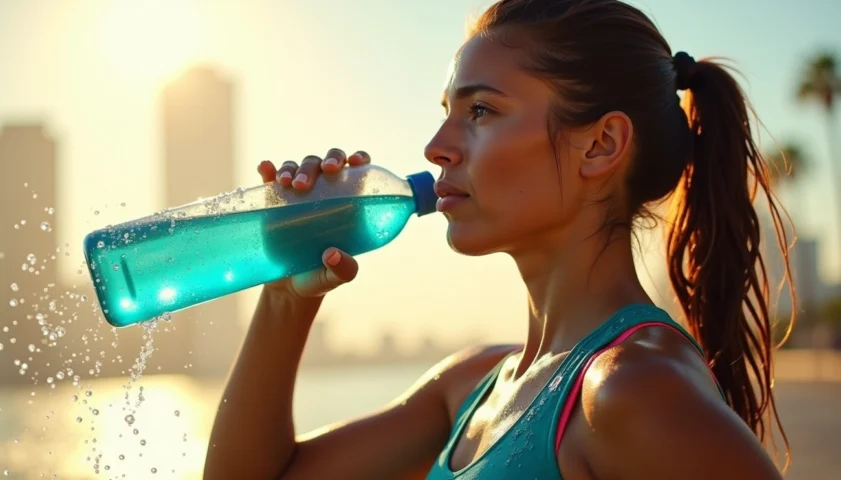
A staggering fact: just a 2% loss in body weight from fluid loss can destroy your performance. Houston’s relentless summer heat creates the perfect storm for dehydration disasters. Racing in extreme temperatures puts crushing stress on your body while skyrocketing your need for electrolyte replacement.
The heat won’t back down. Temperatures exceeding 100 degrees for days on end turn Houston into a furnace that challenges even the most prepared athletes.
Don’t worry – you’re not destined to suffer through the swelter.
Smart hydration tactics can keep you performing at your peak, even when conditions seem impossible. This guide will show you how to build a personalized hydration plan that works with Houston’s climate, not against it.
Know Your Numbers Before You Start
Your body doesn’t sweat like everyone else’s. Sweat rate typically ranges from 0.5 to 2.0 liters per hour, though some athletes exceed 3.0 liters per hour in extreme conditions. You need two baseline measurements: your sweat rate and your sweat sodium concentration.
Calculating your sweat rate requires minimal equipment. Weigh yourself nude before training, complete a one-hour workout at race intensity, then weigh yourself again after toweling dry. The formula accounts for fluid intake: subtract your post-workout weight from your pre-workout weight, add any fluids consumed during exercise, then divide by the duration in hours.
Here’s a simple example. You lost 2 pounds and drank 16 ounces over one hour? Your total sweat loss equals 48 ounces per hour.
Sweat sodium concentration varies even more dramatically, ranging from 200 to over 2,000 milligrams per liter. Genetics largely determine this number, which remains relatively stable throughout your life. Those white salt streaks on your clothing after workouts? You’re a salty sweater.
Test your sweat rate under multiple conditions. Temperature, humidity, workout intensity, and heat acclimation all affect how much you sweat. Even with consistent methodology, expect 5-7% day-to-day variation in your results.
Building a Heat-Smart Hydration Strategy
Your hydration protocol starts hours before you touch the water. Drink 500 to 600 milliliters of water or sports drink 2 to 3 hours before exercise, followed by an additional 200 to 300 milliliters 10 to 20 minutes before you start. This preloading establishes optimal hydration status without triggering gastric discomfort.
The magic number during racing? 200 to 300 milliliters of fluid every 10 to 20 minutes. Your goal: keep body weight loss below 2%. For sessions under 60 minutes, water handles the job. Beyond that threshold, electrolytes become non-negotiable.
Sodium requirements shift with Houston’s brutal conditions. Target 300 to 700 milligrams per 16 ounces for typical heat. Heavy sweaters or extreme temperatures demand 800 to 1,200 milligrams per hour. Sports drinks should contain 6 to 8 percent carbohydrate concentration for optimal absorption. Higher concentrations slow fluid uptake and trigger gastrointestinal disasters.
Post-exercise rehydration demands mathematical precision. For every pound lost, consume 16 to 24 ounces of fluid. Complete the majority within 2 hours, finishing within 6 hours. Pairing fluids with sodium-rich foods enhances retention and accelerates recovery.
Monitor urine color throughout this process. Light yellow signals proper hydration. Dark concentration screams inadequate intake.
Staying Cool While Staying Hydrated
Your core temperature holds the key to hydration success when Houston’s heat refuses to quit. Ice slurry ingestion reduces core temperature by 0.2 to 0.7°C before exercise starts. Think of it as creating an internal freezer that stores extra heat capacity before your body hits the danger zone.
Here’s how to nail the ice slurry strategy: consume 7 to 14 grams per kilogram of body weight for maximum effect. A 70-kilogram athlete needs approximately 490 to 980 grams of ice slurry. Timing matters more than you think. Consume ice slurry after your warm-up, during the 15 to 30 minutes before your race begins. This keeps your core temperatures low throughout the early stages when every degree counts. Ice slurry can improve time trial performance by 1.7 to 10%.
Does ice slurry wreck your stomach? External cooling provides solid alternatives when ice slurry causes gastrointestinal discomfort. Pre-cooling with ice vests lowers skin temperature and delays core temperature rise during exercise. Pouring water over your head offers psychological relief without significantly improving performance over short distances. When water is abundant, combining drinking with external dousing reduces heart rate and provides thermal comfort.
Keep your bottles battle-ready with this simple trick: freeze them partially overnight, leaving space for expansion. Wrap frozen bottles in dry towels secured with rubber bands to slow melting. Your future self will thank you when that first sip hits during mile 10.
Conclusion
You now have the complete framework to conquer Houston’s heat without compromising performance. Know your sweat rate and sodium needs, build your hydration protocol around those numbers, and use cooling strategies that work for your body.
The heat isn’t going anywhere, but neither is your ability to adapt. Test these methods during training, refine what works, and race day hydration will become second nature. With the right preparation, extreme temperatures become just another variable you control.
Are you ready to turn Houston’s brutal summers into your competitive advantage?
FAQs
Q1. How much water should I drink before a race in hot conditions? Drink 500 to 600 milliliters of water or sports drink 2 to 3 hours before exercise, followed by an additional 200 to 300 milliliters 10 to 20 minutes before you start. This preloading establishes optimal hydration without causing stomach discomfort.
Q2. How do I calculate my sweat rate for training? Weigh yourself nude before training, complete a one-hour workout at race intensity, then weigh yourself again after toweling dry. Subtract your post-workout weight from your pre-workout weight, add any fluids consumed during exercise, then divide by the duration in hours to get your sweat rate.
Q3. What are the benefits of drinking ice slurries before racing in the heat? Ice slurry consumption reduces core body temperature by 0.2 to 0.7°C before exercise starts, creating a heat sink that allows your body to store more heat during exertion. This can improve time trial performance by 1.7 to 10% when consumed 15 to 30 minutes before racing.
Q4. How much should I drink during a triathlon or endurance event? Consume 200 to 300 milliliters of fluid every 10 to 20 minutes during exercise. Your goal is to keep body weight loss below 2%. For sessions under 60 minutes, water is sufficient, but beyond that you need electrolytes and sports drinks.
Q5. How do I know if I’m properly hydrated during training? Monitor your urine color throughout the day. Light yellow indicates proper hydration, while dark concentration signals inadequate fluid intake. Additionally, weighing yourself before and after workouts helps ensure you’re not losing more than 2% of your body weight.