
Understanding Fat Metabolism and Lactate Threshold
November 26, 2025
Blood Testing vs AI Metrics: Elite Runners’ Choice 2025
December 1, 2025
A staggering 2.4-mile swim, 112-mile bike ride, and 26.2-mile run – welcome to the Ironman triathlon, where 140.6 miles separate dreamers from finishers.
Simple beats complicated when you’re staring down your first Ironman training plan. The right approach keeps your brain from melting while you track real progress over 20 weeks. Don’t let that fool you – proper Ironman preparation demands 10-15 hours weekly of focused training.
Feeling overwhelmed about starting your Ironman journey? You’re in good company. Research shows 92% of sub-12-hour finishers commit to training plans lasting 24 weeks or longer. Our 20-week plan cuts through the noise, designed specifically for athletes already logging 8-10 hours weekly across swim, bike, and run disciplines.
Preparing for an Ironman requires more than just piling on training hours. Smart progression and fatigue management separate successful finishers from those who burn out halfway through their preparation. Here’s the encouraging news – crossing that Ironman finish line represents a victory regardless of your time, and each training milestone builds the confidence you’ll need for race day success.
This guide transforms ambitious triathletes into Ironman finishers through a proven 20-week plan that works for real athletes with real lives.
Starting Your Ironman Journey: From Zero to Race-Ready
Ready to tackle 140.6 miles but not sure where to begin? The path from ambitious dreamer to Ironman finisher requires honest self-assessment and smart planning. Here’s how to start this epic journey without setting yourself up for failure.
Assessing Your Current Fitness Level
Before jumping into Ironman training, take an honest look at where you stand today. You’ll need a solid foundation already in place – ideally 8-10 hours of weekly training across all three disciplines. Think of this as your fitness baseline:
- Swim 1 mile front crawl without stopping
- Run 6-10 miles at a comfortable pace
- Complete 40-60 mile bike rides without feeling destroyed
New to triathlon but have athletic experience? That works perfectly. Completing an Olympic distance race and preferably a 70.3 gives you invaluable multi-sport experience before tackling the full distance.
Starting completely from scratch? Don’t worry – you’re not alone. Building from zero fitness to Ironman-ready typically takes two to three years. That timeline allows you to develop proper technique and endurance across swimming, cycling, and running without rushing into injury.
Setting Goals That Actually Matter
Forget about chasing specific finish times for your first Ironman. Focus on process goals – actions you can actually control during your race:
- Maintaining smooth swim technique through choppy water
- Staying disciplined with your bike power targets
- Executing your nutrition plan every 20 minutes
- Starting the marathon conservatively
Most first-timers finish between 12-16 hours. That wide range should tell you something important – just crossing the finish line represents a massive achievement. Remember that nearly 5% of registered participants don’t finish on race day, so respecting the distance matters more than your watch time.
Ask yourself why you want to complete an Ironman. Make sure this goal comes from within, not from external pressure or social media bragging rights. That internal drive becomes your lifeline during brutal training sessions and race day struggles.
Choosing Your Race Wisely
Race selection can make or break your Ironman experience. Consider these factors when making your choice:
Match the course to your strengths. Train primarily on flat roads? Choose a flat race like Ironman Texas, Florida, or Arizona. Don’t surprise yourself with massive climbs you’ve never practiced.
Location logistics matter more than you think. Will you need to ship your bike? How complicated are the travel arrangements? Reducing pre-race stress starts with smart venue selection.
Timing alignment with your training conditions. Planning a fall race means doing your longest summer rides in peak heat. Make sure that works with your climate and schedule.
Register about one year in advance. Popular Ironman races sell out within hours of opening. Plus, that $800+ registration fee represents a serious financial commitment that demands careful consideration.
Smart assessment, realistic goals, and strategic race selection create the foundation for your Ironman success. Next, we’ll break down how to train each discipline effectively for race day.
Swim, Bike, and Run: Discipline-Specific Training
Each discipline in an Ironman demands its own training approach. You can’t just swim more, bike longer, and run farther – the full distance requires specific strategies that prepare your body for 140.6 miles of continuous movement.
Swim: Building endurance and open-water confidence
Pool swimming won’t prepare you for race day reality. Open water presents different challenges entirely – waves, currents, and the disorienting absence of lane lines create a completely different experience. Start with three weekly swim sessions, building toward 3000-4000 meters per workout.
That first open water swim can feel intimidating. Don’t worry – you’re not alone. Most triathletes experience anxiety when they trade black lines for murky water. Practice sighting techniques by lifting your eyes slightly during your stroke – you’ll need this skill every 3-7 strokes on race day. Getting comfortable requires exposure, so schedule several open water sessions before your race.
When panic strikes during open water training, remember these techniques: flip onto your back for controlled breathing, switch temporarily to breaststroke, or simply tread water until you regain composure. Confidence builds through repetition – each open water session makes the next one easier.
Bike: Long rides, intervals, and fueling practice
Your bike leg represents roughly half your race time, making cycling your most critical discipline. Smart coaches recommend dedicating at least 50% of your training time to the bike. Plan for at least one century ride, though experienced cyclists might need fewer ultra-long sessions than beginners.
Those long rides serve multiple purposes beyond building endurance. You’re training your digestive system and practicing race nutrition – elite athletes consume 80-100 grams of carbohydrates hourly during training rides. What feels fine at mile 70 might cause stomach distress beyond mile 100, so test everything during training.
Race-specific intensity becomes crucial as your preparation advances. Try adding 4-5 repeats of 30-minute intervals at target race pace within longer rides – this teaches your body the exact effort level you’ll need to sustain.
Run: Long runs and adapting to tired legs
Forget everything you know about marathon training. Ironman run preparation emphasizes quality over raw mileage. Most coaches cap long runs at 18-22 miles rather than requiring full marathon distance. This approach builds sufficient endurance while reducing injury risk and recovery time.
Consider dropping to 3-4 weekly runs instead of the typical 5-6 sessions marathon runners complete. The goal isn’t becoming a great runner – it’s becoming proficient at running after hours of swimming and cycling.
How to combine disciplines with brick workouts
Brick workouts simulate the unique challenge of running on cycling legs. That heavy, unresponsive feeling when you transition from bike to run? Brick training teaches your body to adapt quickly.
The bike-to-run brick offers three key benefits:
- Adaptation to running with fatigued legs
- Testing your nutrition strategy’s effectiveness
- Practice with transition procedures
Introduce brick workouts 12-16 weeks before race day. Start simple – add a one-mile run immediately after cycling. Gradually increase both duration and intensity to match race demands.
Regular brick sessions develop what coaches call “run durability” – maintaining form and pace despite significant fatigue. Keep transition times short to maximize training benefits, and set up your gear beforehand to simulate race conditions.
Your 20-Week Ironman Training Blueprint
Smart periodization separates successful Ironman finishers from those who crash and burn halfway through their preparation. This four-phase approach builds systematic fitness while managing the fatigue that destroys many first-time attempts.
Weeks 1–5: Building Your Engine
Your aerobic system needs time to adapt before you can handle serious training loads. Those first five weeks establish the foundation that supports everything else you’ll build.
Focus areas during base building:
- Aerobic capacity development through low-intensity workouts (primarily Zone 2 heart rate)
- Technical skill improvement with drills and form work across all three disciplines
- Consistency establishment with 2-3 sessions weekly in each sport
Expect approximately 3-4 swims, 3 bikes, and 3 runs each week. Training volume starts manageable—around 8-10 hours weekly—with most sessions feeling comfortably hard rather than crushing. Every fourth week drops volume by 30-50% to let your body absorb the work you’ve been doing.
Weeks 6–10: Stepping on the Gas
Time to increase both how long you train and how challenging those sessions become. Your body can now handle more stress without breaking down.
Key objectives include building endurance through longer sessions while adding strength-focused work like hill repeats. Weekly volume increases by no more than 10% to avoid the overtraining trap. Brick workouts enter the picture—specifically bike-to-run transitions that teach your legs how to function after hours in the saddle.
Week 10 brings your longest sessions yet: 3,000m swims, 60-mile rides, and 10-mile runs. Many athletes throw in a sprint triathlon during this phase as a fitness reality check.
Weeks 11–15: Peak Power
Welcome to the hardest training you’ll do—typically 15+ hours weekly. Your focus shifts toward race-specific preparation.
Long weekend sessions become seriously long. Bike rides stretch beyond 70 miles while runs reach 14-18 miles. The centerpiece? At least one complete race simulation where you test every detail of your nutrition, pacing, and equipment strategy.
Week 12 includes a recovery week where volume drops about 30% before the final push. Don’t skip this—your body needs the break to handle what’s coming next.
Weeks 16–20: Taper Time
The final phase reduces volume while keeping you sharp for race day. Most athletes struggle with this part because doing less feels wrong after months of building.
Training volume decreases 40-60% over the final three weeks. Keep your session frequency but cut duration. Short intervals with plenty of recovery maintain your fitness edge.
Your last long run happens 18-22 days before race day, with your final long ride 14-21 days out. The final week features short sessions across all disciplines while you focus on rest, mental preparation, and nutrition dialing.
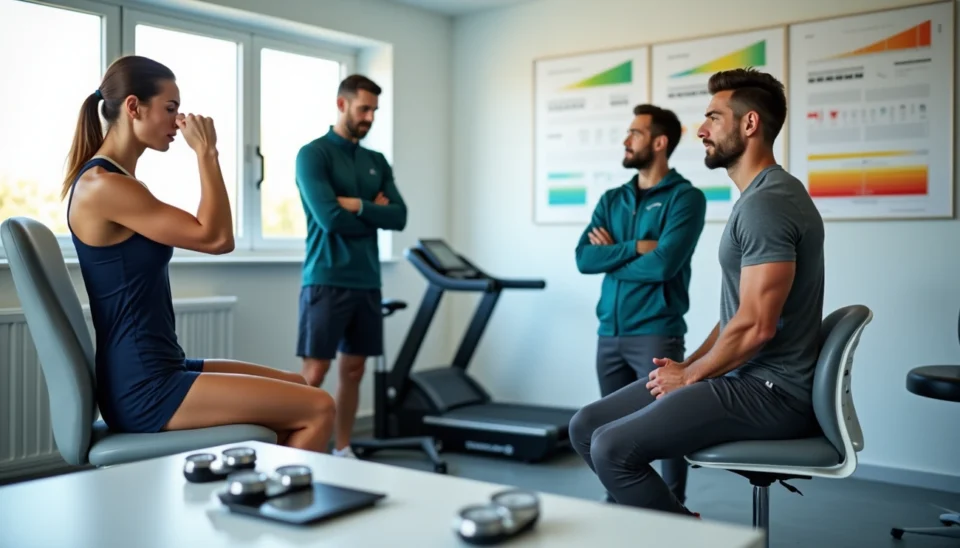
Remember—recovery between phases matters as much as the training itself. This progression ensures you reach that starting line prepared rather than exhausted. Incorporating lactate testing techniques for athletes can provide valuable insights into your physiological responses and help fine-tune your training regimen. By monitoring lactate levels, you can better understand your body’s capacity for sustained performance and adjust your workout intensities accordingly. This data-driven approach allows you to maximize your potential while minimizing the risk of injury during your preparation.
Smart Gear Choices That Actually Matter for Ironman Training
The right equipment separates struggling weekend warriors from efficient Ironman machines. Smart gear investments amplify your training effectiveness while poor choices create unnecessary obstacles during your 20-week journey.
Professional bike fit, wetsuit selection, and race-day clothing
A professional bike fit represents the single most impactful investment for Ironman success. This two-hour process balances aerodynamics, power output, and comfort—three elements that determine whether you cruise through mile 100 or suffer through every pedal stroke. Schedule your fit before purchasing a new bike, focusing on saddle height, setback, cockpit distance, crank length, and drop adjustments. These precise measurements prevent injuries while maximizing your power transfer to the pedals.
Triathlon-specific wetsuits outperform standard swimming varieties in every measurable way. Most triathletes cling to their wetsuits for seven years or longer, yet these specialized garments feature strategic neoprene thickness—typically 1.5-2mm through the shoulders and arms—that maintains stroke flexibility during 2.4-mile swims. Look for tapered legs that reduce drag during wetsuit removal, wrist cuffs that seal properly, and interior lining materials that feel like silk against your skin.
Indoor training technology and virtual racing platforms
Smart trainers eliminate weather excuses while delivering precise workout control. Direct-drive models connect your bike directly to the trainer mechanism, achieving power accuracy within ±1% to ±3% of actual output. This precision allows you to hit specific training zones consistently, something outdoor conditions rarely permit.
ROUVY stands alone as the only platform offering virtual IRONMAN race courses. Riding the actual Ironman bike course months before race day builds familiarity with every climb, descent, and technical section. The platform integrates with TrainingPeaks and similar analysis tools, capturing power output, cadence, and heart rate data for detailed training analysis.
Performance monitoring through heart rate and GPS technology
Heart rate monitoring provides the physiological feedback needed for optimal training intensity. Chest-strap monitors achieve 99.6% accuracy compared to medical ECG equipment, making them essential for defining precise training zones. These zones guide your aerobic development and prevent the overtraining that derails many Ironman preparations.
Modern GPS watches and bike computers capture every training metric that matters. The best units deliver real-time performance feedback while syncing automatically with training platforms for detailed progress tracking. This data transforms guesswork into science, allowing precise adjustments throughout your 20-week progression.
Quality gear amplifies your training efforts rather than replacing them. Choose equipment that supports your specific weaknesses and training environment—these targeted investments pay dividends when race day arrives.
Staying Consistent and Avoiding Burnout
Your Ironman journey success depends on more than just crushing workouts. The athletes who make it to race day healthy and motivated master recovery strategies that prevent the dreaded burnout spiral.
Balancing training with work and life
Ironman training devours time like nothing else. Don’t let it devour your relationships too. Training represents one piece of your life puzzle, not the entire picture. That post-workout smoothie break or episode of your favorite show? Those moments restore your mental battery more than you realize. Smart athletes build in 3-4 complete rest days monthly and plan family vacations for after their season ends.
Listening to your body and adjusting as needed
Your body speaks a clear language – most athletes just never learned to listen. Heart rate refusing to climb during intervals? Workouts feeling like you’re swimming through molasses? Time to adjust your training plan. Here’s a simple test: if skipping a workout brings genuine relief instead of guilt, your body is waving a bright red flag. Remember this truth – work stress hammers your system just like training stress. Both require recovery time.
The importance of sleep, mobility, and strength work
Sleep outperforms every supplement, recovery tool, and training hack combined. Elite triathletes target 8 hours nightly, plus strategic power naps when possible. Research reveals that endurance athletes who consistently prioritize sleep see performance gains that surpass those from performance-enhancing drugs.
Strength training isn’t optional filler between your real workouts. Treat it as seriously as any swim, bike, or run session. Just 10 minutes daily, three times weekly, builds the hamstring, glute, and core strength that keeps you injury-free. These short sessions also improve mobility, stability, and flexibility – your insurance policy against the breakdown that derails so many Ironman dreams.
Your Journey from Dreamer to Finisher
Your first Ironman journey demands dedication, smart planning, and the courage to face 140.6 miles of uncertainty. This 20-week plan bridges the gap between aspiration and achievement through structured progression that respects both your ambitions and your limits. Remember – simply toeing that start line already puts you in rare company.
Success flows from mastering each discipline while respecting your body’s adaptation timeline. Honest self-assessment leads to smart phase-based training that builds aerobic capacity before pushing limits. This methodical approach protects you from the injury cycle that derails so many first-time Ironman dreams.
Smart gear investments pay dividends when training hours pile up. That professional bike fit becomes your best friend during century rides. Quality wetsuits and reliable heart rate monitors provide the feedback and comfort that make those long sessions productive rather than punishing.
Balance separates finishers from burnouts. Your body speaks – learn its language and respond accordingly. Prioritize sleep like the performance tool it is, and treat strength work as insurance against injury. Consistent progress beats heroic efforts that leave you sidelined.
The magic happens in those small daily victories. Each open water swim that conquers fear. Every century ride that proves your endurance. Those brutal brick workouts that teach your legs to run when they feel like concrete. These moments build the confidence that carries you through race day’s inevitable low points.
Don’t worry – the doubt will visit you during training. That’s normal. Elite athletes question their preparation too. The difference? They trust their process and show up anyway. Your 20-week plan has prepared thousands of athletes for this exact moment.
Race day will test everything you’ve learned. Trust your fitness, execute your plan, and embrace the experience you’ve earned through months of dedication. Those final steps toward “You are an Ironman!” represent more than crossing a finish line – they mark your transformation from someone who dreamed impossible dreams to someone who makes them reality. As you approach the finish line, remember that the journey has been shaped by your commitment to a 20week ironman training schedule. Every early morning training session and every mile conquered have fortified your resolve. Celebrate not just this achievement, but also the person you’ve become along the way.
Key Takeaways
Training for your first Ironman requires strategic planning, discipline-specific preparation, and smart recovery practices to transform from aspiring triathlete to finisher in 20 weeks.
• Build a solid foundation first: You need 8-10 hours of weekly training experience before starting this 20-week plan, including ability to swim 1 mile, run 6-10 miles, and bike 40-60 miles comfortably.
• Follow structured progression phases: Start with 5 weeks of base building, increase volume and intensity for weeks 6-15, then taper properly in the final 3-4 weeks to arrive fresh on race day.
• Master discipline-specific skills: Focus on open-water swimming confidence, bike nutrition practice during century rides, and brick workouts to adapt your legs for running after cycling.
• Prioritize recovery and balance: Listen to your body, get 8+ hours of sleep nightly, incorporate strength training 3x weekly, and maintain life balance to prevent burnout during intense training.
• Invest in essential gear wisely: A professional bike fit, triathlon wetsuit, and heart rate monitor significantly improve training efficiency and race-day performance.
Remember that simply finishing your first Ironman is already a remarkable achievement. Focus on process goals like maintaining good form and executing your nutrition plan rather than chasing specific finish times. The journey itself will transform you both physically and mentally.
FAQs
Q1. How long does it take to train for an Ironman as a beginner? For beginners, a 20-week training plan is typically sufficient if you already have a base level of fitness. However, if you’re starting from scratch, it may take 2-3 years to build the necessary endurance and skills across all three disciplines.
Q2. What’s the recommended weekly training volume for Ironman preparation? Most beginner Ironman training plans suggest 10-15 hours of training per week. As you progress, this can increase to 15+ hours during peak training weeks. Always increase volume gradually to prevent injury and burnout.
Q3. How important are brick workouts in Ironman training? Brick workouts, especially bike-to-run transitions, are crucial for Ironman preparation. They help your body adapt to running on tired legs and provide opportunities to practice race-day nutrition and pacing strategies.
Q4. What’s the best way to balance Ironman training with work and life? Maintaining balance is key to avoiding burnout. Schedule downtime after workouts, include 3-4 complete rest days monthly, and remember that training is just one part of a balanced life. Listen to your body and adjust your training plan when needed.
Q5. What essential gear do I need for Ironman training? Key investments include a professional bike fit, a triathlon-specific wetsuit, and reliable training tools like a heart rate monitor and GPS watch. For indoor training, consider a smart trainer and virtual training platforms to simulate race conditions.