
FAQ: How Often Should Triathletes and Runners Get a Sports Massage
November 12, 2024
Master Marathon Training: Monitor Adaptations with Lactate Testing
November 15, 2024
Lactate Threshold Test: A Comprehensive Guide for Triathletes
Time matters in triathlon performance. Each second can make the difference between achieving a personal best and hitting the wall. A lactate threshold test gives athletes vital insight into their body’s unique response when exercise intensity increases. Many triathletes rely on perceived effort or basic heart rate zones for training. However, precise lactate threshold testing provides a scientific way to boost performance in swimming, cycling, and running. The results from both laboratory procedures and field testing methods can help you steer your training plan for more effective workouts. Lactate threshold testing for triathletes is particularly beneficial as it helps identify the specific intensity at which lactate begins to accumulate in the bloodstream, impacting endurance and stamina. By understanding these thresholds, athletes can tailor their training sessions to ensure they spend more time in optimal zones, enhancing performance over long distances. This data-driven approach not only improves race day outcomes but also minimizes the risk of injury by allowing for more strategic recovery periods.
Understanding Lactate Threshold Basics
The science behind lactate threshold plays a vital role in maximizing our triathlon performance. Let’s dive into this fundamental concept that influences our training and racing in all three disciplines. As we refine our approach, performance testing for triathlon athletes becomes increasingly essential. This process allows us to identify strengths and weaknesses, tailoring our training regimens accordingly. By incorporating regular assessments, athletes can fine-tune their strategies to optimize performance across swimming, cycling, and running. In addition, lactate threshold testing benefits athletes by providing critical insights into their endurance capabilities. This type of testing helps determine the optimal intensity levels for training, enabling athletes to push their limits effectively. By understanding individual lactate thresholds, athletes can enhance their performance and minimize the risk of fatigue during competitions.
What is Lactate Threshold and Why It Matters
Lactate threshold marks the exercise intensity where our body produces more lactate than it can remove. Athletes can maintain effort at this threshold for about 30-45 minutes while running and a bit longer on the bike. This threshold becomes especially important to triathletes because it determines sustainable race pace, particularly in Olympic-distance events. lactate threshold testing for runners can help identify this critical point for individual athletes, allowing for tailored training programs. By assessing their lactate threshold, runners can optimize their pacing strategy during races and improve overall performance. Regular testing can also track progress over time, ensuring that training adaptations are effective and race day goals are achievable.
Lactate threshold’s significance stems from its direct link to endurance performance. Better training allows us to work at higher intensities without crossing our threshold, which leads to faster race times in swimming, cycling, and running. understanding lactate threshold training involves recognizing how our bodies utilize energy and manage fatigue during prolonged efforts. By incorporating specific workouts designed to raise this threshold, athletes can enhance their overall performance. This approach not only improves stamina but also contributes to more efficient recovery, allowing for more consistent training sessions. One popular strategy to increase lactate threshold training methods is the incorporation of interval training, which alternates periods of high-intensity effort with recovery. Additionally, varying workout intensities and including tempo runs can further challenge the body and stimulate adaptation. By consistently applying these techniques, athletes can push their limits and achieve breakthroughs in their training regimens.
The Science Behind Blood Lactate Production
Our muscles create lactate even while resting, with levels usually between 1-2 mmol/L. This production rises as our bodies work harder during exercise. In stark comparison to this popular belief, lactate isn’t the cause of muscle fatigue. It actually serves as a fuel source and helps maintain our muscle’s acid-base balance. muscle building tips for endurance athletes are essential for optimizing performance. Focusing on strength training can enhance muscle resilience, which is crucial for prolonged activities. Additionally, incorporating adequate nutrition will support muscle recovery and overall endurance.
Several factors influence lactate production:
- Exercise intensity and duration
- Individual fitness level
- Muscle fiber type composition
- Training status and adaptation
Different Types of Thresholds in Triathlon
Triathlon training involves several important thresholds:
Aerobic Threshold (AeT): This level shows where our anaerobic system starts contributing more to energy production, though aerobic metabolism remains dominant. Long-course triathletes can sustain this intensity for 3-4 hours, making it essential to their performance. Improving triathlon flexibility routines is crucial for maintaining the range of motion and reducing the risk of injury. These routines should focus not only on stretching but also on strengthening the muscles used during swimming, cycling, and running. By incorporating targeted flexibility exercises, athletes can enhance their overall performance and recovery. Overcoming respiratory fatigue in sports is another critical factor that athletes must address to optimize their performance. Techniques such as breath control exercises and the use of respiratory training devices can significantly enhance lung capacity and endurance. By strategically implementing these methods, athletes can push through fatigue and maintain their competitive edge during intense events.
Anaerobic Threshold (AT): This occurs when the body can’t clear lactate as fast as it accumulates, marking the shift from steady-state to non-steady-state exercise. Sprint and Olympic-distance triathletes need to focus on this threshold as it matches their race intensity. Incorporating anaerobic threshold training for triathletes into their regimen can significantly enhance performance by improving endurance and speed. By pinpointing the anaerobic threshold, athletes can tailor their workouts to stay just below this critical point, optimizing their lactate clearance. This strategic approach not only prepares them for the demands of competition but also minimizes fatigue during races. In addition to anaerobic threshold training, athletes should consider implementing lt1 triathlon training strategies to further enhance their race performance. By focusing on long, steady efforts combined with strategic speed work, competitors can build a solid aerobic base and improve overall endurance. These methods complement anaerobic threshold training, allowing triathletes to push their limits while effectively managing their energy reserves.
Functional Threshold: This practical measurement approximates our anaerobic threshold for each discipline. Cyclists often use Functional Threshold Power (FTP), while runners might refer to Critical Speed or Threshold Pace.
These thresholds guide how we structure our training effectively. To cite an instance, see how half-Ironman preparation emphasizes aerobic threshold development, while sprint-distance athletes train near their anaerobic threshold. Incorporating a fatmax strategy for triathlon training can significantly enhance an athlete’s fat oxidation and endurance over longer distances. By focusing on this approach, triathletes can improve their overall performance while maintaining energy levels throughout the race. This method aligns with various periodization models that prioritize specific energy systems at different stages of training. Understanding heart rate variability benefits is crucial for athletes looking to optimize their training. By monitoring heart rate variability, they can gain insights into their recovery status and adjust their training loads accordingly. This allows for more personalized training regimens that enhance performance while reducing the risk of overtraining.
Training improves the relationship between these thresholds. Our aerobic threshold meets closer to our anaerobic threshold as we get fitter, creating what we call the “threshold window.” This adaptation lets us maintain higher intensities longer and directly enhances our race performance. However, as we push our limits in training, we may encounter cardiac drift effects on training, which can lead to an unintended decrease in performance over time. This phenomenon occurs when our heart rate increases at a given workload, often due to rising body temperature and dehydration. Understanding and monitoring these effects is crucial for optimizing our training regimen and ensuring consistent improvements.
Laboratory Testing Protocols
Lab testing gives us the most accurate way to measure our lactate threshold and provides precise data to optimize training. Let’s look at how controlled testing in a lab environment can give us reliable results.
Step-by-Step Lab Testing Process
Here’s the equipment we need before testing:
- Lactate analyzer and test strips
- Heart rate monitor
- Exercise equipment (treadmill, swim ergometer, cycle ergometer)
- Blood sampling supplies
- Timer or stopwatch
- Recording sheets
The process starts with a proper warm-up period of 10-15 minutes at low intensity. This vital step lets our oxidative energy pathways reach their best capacity. It also helps reduce any anxiety-related lactate production that might affect our results.
Here’s how the main testing protocol works:
- Start at a low intensity (around 100-125 watts for cycling)
- Bump up the workload every 3-4 minutes
- Take measurements in the last 30-60 seconds of each stage
- Keep going until we see by a lot more lactate buildup
- Write down all data (power/speed, lactate reading, heart rate, RPE) at each stage
Blood Sampling Techniques and Best Practices
Getting blood samples right is essential for reliable results. We clean the sampling spot really well with alcohol and let it dry fully before collection. We always wipe away the first drop of blood since it has tissue fluids that could mess up our sample.
The best results come from consistent sampling methods throughout the test. Your finger or earlobe needs to be warm for good blood flow.
Interpreting Laboratory Test Results
We look at our results using several proven methods. The Modified Dmax method works great to match sustainable race pace, especially for Olympic-distance triathletes. This method finds our threshold by measuring the maximum perpendicular distance between the lactate curve and a line that connects our first and final measurements. Another effective approach to optimize performance is by incorporating fatmax training techniques for cyclists. These techniques help athletes improve their fat oxidation rates, ensuring that they can maintain energy levels during long rides. By applying these methods, cyclists can enhance endurance while potentially reducing the risk of fatigue during competitions. In addition to these strategies, cross training benefits for triathletes are crucial for developing overall athletic abilities. Engaging in different training modalities not only prevents burnout but also allows triathletes to build strength and flexibility that can translate to better performance in all three disciplines. By diversifying their workouts, athletes can improve their resilience, reducing the likelihood of injury and enhancing their competitive edge.
Our data shows two important transition points:
- LT1 (aerobic threshold): The point where lactate starts rising above baseline
- LT2 (anaerobic threshold): Where lactate builds up by a lot more
These breakpoints help set our training zones and find the best race intensities for all three disciplines. Comparing results over time shows how much our lactate threshold has improved, which suggests better end When it comes to improving our performance, triathlon training tips for beginners can be invaluable. Focusing on structured workouts that encompass swimming, biking, and running will help establish a solid foundation. Additionally, incorporating rest days and cross-training activities can enhance recovery and prevent injuries. longitudinal studies indicate that the longevity benefits of endurance sports are significant, contributing not only to physical health but also to mental well-being. Regular participation in these activities can lead to improved cardiovascular health, increased muscle endurance, and a lower risk of chronic diseases. As you embrace a well-rounded approach to training, the rewards extend beyond the finish line, creating a sustainable and fulfilling lifestyle.
Results Interpretation Pitfalls
We often face several traps when we look at our lactate threshold test results. Our biggest mistake comes from relying on fixed lactate values (like 2mmol/L or 4mmol/L) as universal markers. These numbers show population averages and don’t reflect our individual physiology. Understanding the various lactate threshold testing methods available can help us gain a more nuanced perspective. By considering different approaches, such as incremental tests or the use of wearables that track lactate levels in real-time, we can tailor our training to better suit our specific needs. This personalized approach ensures that we focus on improving our performance with data that accurately reflects our own physiology.
Other interpretation errors we often see include:
Testing Environment Impact: Lab versus field testing conditions can give us different results. The same power output might show different lactate readings based on temperature, humidity, and elevation. Lactate testing for athletes at home offers a convenient alternative, allowing for more frequent assessments in a familiar setting. This approach can empower athletes to monitor their conditioning progress and adjust their training regimens accordingly. However, it’s essential to maintain consistent testing conditions to ensure reliable results.
Individual Variability: Our lactate response changes with nutrition, fatigue, and stress levels. We need several tests under similar conditions to get reliable baseline values. Lactate threshold testing for triathletes provides crucial insights into their performance capabilities. By understanding each athlete’s unique lactate response, coaches can tailor training programs to optimize endurance and speed. This strategic approach can significantly enhance race day outcomes and overall fitness levels. Lactate threshold testing in New York has gained popularity among athletes seeking to improve their performance metrics. With access to cutting-edge technology and expert analysis, these tests offer personalized insights that were not readily available before. As more athletes embrace this method, the competitive landscape continues to evolve, pushing the boundaries of endurance sports.
Progress Assessment: Looking at improvements can trick us when we see changes in our lactate curve. A leftward change doesn’t always mean better fitness – it might show incomplete recovery or inconsistent testing.
Understanding these common mistakes helps us get accurate, useful data from lactate threshold testing. Regular testing with the right protocols lets us track real improvements in our triathlon performance. Incorporating triathlon strength training essentials into your regimen can enhance overall performance by building the necessary muscle endurance and power. This dedicated approach not only improves efficiency during races but also helps in preventing injuries that can disrupt your training schedule. By focusing on these key elements, athletes can optimize their preparation and approach their events with greater confidence. Additionally, recognizing symptoms of heat exhaustion is crucial during intense training sessions, especially in warmer conditions. Being aware of these signs allows athletes to take necessary breaks and hydrate properly to maintain optimal performance. This proactive approach not only safeguards health but also ensures that training remains consistent and effective.
Using Test Results in Training
Our ability to turn lactate threshold test results into training zones is vital to boost performance. Let’s see how we can get the most from our threshold data in swimming, cycling, and running. To enhance endurance and efficiency, it’s crucial to strengthen your glutes for running. Strong glutes contribute to improved stride length and power, ultimately influencing your speed and stability. Incorporating targeted exercises into your training regimen can help prevent injuries and maximize your performance on race day. Carbo loading strategies for endurance athletes play a vital role in optimizing fuel stores. By strategically increasing carbohydrate intake in the days leading up to an event, athletes can enhance their glycogen reserves, which is essential for sustaining energy levels during prolonged activities. It’s important to tailor these strategies to individual needs, considering factors like body composition and the duration of the event to ensure peak performance.
Setting Training Zones Based on Threshold
Lactate threshold test results are the life-blood of creating precise training zones. These results help us build individual-specific intensity frameworks that optimize training adaptations. Here’s an example of zone structure based on threshold values: Incorporating keto benefits for endurance athletes can further enhance performance by enabling more efficient fat utilization. By training at various intensity levels while adhering to a ketogenic diet, athletes may experience improved stamina and reduced fatigue during prolonged activities. This approach not only aids in maintaining energy levels but also supports faster recovery between training sessions. Lactate threshold testing for athletes is crucial in identifying optimal intensities for endurance and performance. By understanding their lactate levels, athletes can tailor their training protocols to push their limits while remaining within their specific thresholds. This strategic approach helps maximize gains and improves overall athletic performance.
| Zone Intensity% of Threshold Primary Use | |||
| Z1 | Recovery | <80% | Active recovery, warm-up |
| Z2 | Endurance | 80-88% | Base building, long sessions |
| Z3 | Tempo | 89-94% | Threshold development |
| Z4 | Threshold | 95-100% | Race-specific preparation |
| Z5 | VO2 Max | >100% | High-intensity intervals |
Periodizing Training Around Threshold
The most effective threshold-based training uses strategic periodization. Our training usually follows a polarized or pyramidal model. The choice depends on race distance and current phase.
These factors matter in threshold-based periodization:
- Keep 75-85% of training below threshold
- Add specific threshold sessions in build phases
- Modify intensity distribution based on race distance
- Plan for individual recovery needs
- Track adaptation through regular assessment
Base phases need sub-threshold work to build aerobic capacity. Race season preparation requires more specific threshold sessions that match target race intensities. This progression optimizes both aerobic and anaerobic energy systems.
When to Retest Your Threshold
Regular threshold testing will give a precise picture of our training zones as fitness improves. We test every 6-8 weeks, but timing varies based on several factors:
- Training Phase Impact: Maintenance phases every 6-8 weeks
- Performance Changes: Notable improvements or drops in training performance
- Recovery Status: Full recovery must happen before testing
- Race Schedule: Tests must align with key events
Scheduled tempo workouts serve as informal threshold checks. Heart rate response during these sessions shows when zones need updates without full threshold testing.
Recovery weeks give us a chance to do shorter threshold tests. We focus on disciplines showing the most change. This method keeps zones accurate while minimizing testing’s impact on training.
Each discipline – swimming, cycling, and running – can show different threshold changes. One sport might improve faster than others. Sport-specific testing and zone setting become essential because of these individual responses.
Sport-Specific Applications
A triathlete’s success depends on becoming skilled at the unique threshold characteristics of each discipline. Our testing shows that lactate threshold appears differently in swimming, cycling, and running. Each sport needs its own approach for the best performance.
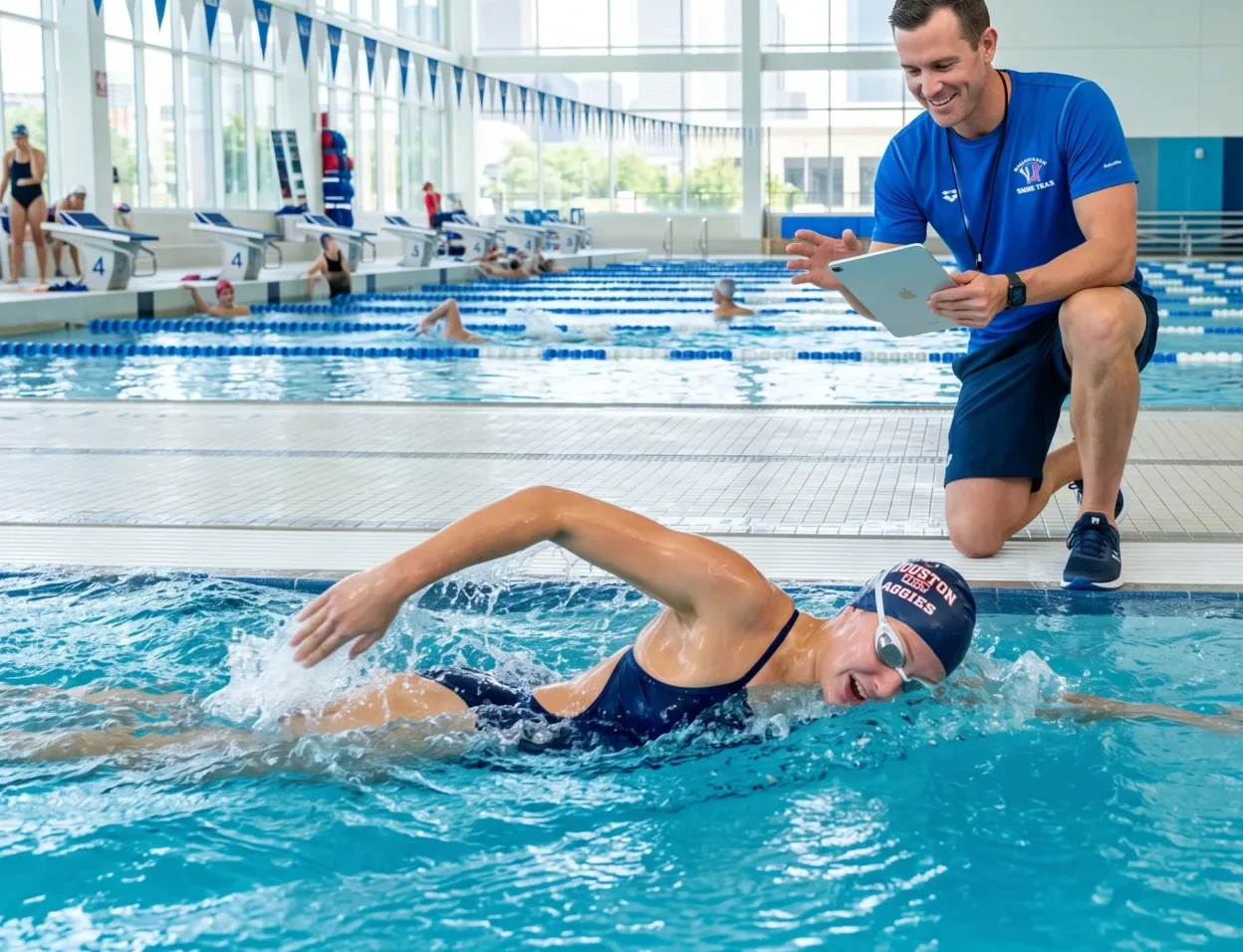
Swimming Threshold Considerations
Swimming threshold tests need special attention to technique before we look at metabolic measurements. Poor stroke mechanics can hide true threshold capabilities. Technical proficiency must come first for meaningful testing.
These key factors matter for swimming threshold assessment:
- Stroke efficiency and mechanics
- Pool versus open water variations
- Upper body muscular endurance
- Technical limitations versus metabolic capacity
Our initial swimming test protocol uses critical velocity testing, which links closely to lactate threshold. Time trials at 200m and 400m distances help calculate threshold pace. A swimmer that demonstrates excellent form we introduce testing on the swim ergometer.
Conclusion
Lactate threshold testing is the life-blood of triathlon training success. We have a detailed understanding of threshold testing protocols that range from laboratory measurements to field assessments. This knowledge helps us train smarter in swimming, cycling, and running. Experience shows that athletes achieve meaningful performance improvements through accurate testing, proper interpretation, and sport-specific application of results.
Success comes from more than just running tests – it’s about using the results strategically. Athletes maintain optimal training zones that grow with their fitness levels through careful periodization and regular retesting. Each sport needs its own approach, which makes sport-specific threshold training vital to succeed in triathlons.
Third Coast Training provides both Lab Testing and Field Testing Options. You can schedule a consult to discuss your training needs. The right threshold data and proper training zones help athletes push their limits while avoiding overtraining. This approach leads to achieving performance goals in swimming, cycling, and running.