
Ironman Training Plan: Simple 20-Week Guide to Race Day Success
July 8, 2025
How to Crush Your First Half Ironman: 16-Week Training Plan for Beginners
July 9, 2025
Picture this: it’s 10 PM the night before your first triathlon, and you’re staring at a pile of gear scattered across your bedroom floor. Your stomach churns as you wonder if you’ve forgotten something crucial that could derail months of training.
Don’t worry – you’re not alone.
Three disciplines. One race. Dozens of equipment decisions that can make or break your day.
Swimming, biking, and running might sound straightforward, but each segment demands specific gear that works together seamlessly. Your equipment needs shift based on race distance, weather conditions, and course terrain. Miss one essential item, and you might find yourself watching from the sidelines instead of crossing the finish line. Race day logistics create enough stress without equipment failures adding to the chaos.
Here’s the truth: you don’t need a $10,000 bike to complete your first sprint triathlon. That trusty mountain bike gathering dust in your garage? It’ll work just fine for your debut race. However, certain pieces of equipment are absolutely non-negotiable – forget your wetsuit when water temperatures drop below 72°F, and your race ends before it begins.
This guide cuts through the equipment confusion with 15 race-day essentials that every triathlete needs. From wetsuit regulations to nutrition timing that starts 3-4 hours before your wave start, you’ll discover exactly what belongs on your 2025 triathlon checklist.
Tri Suit

Image Source: 220 Triathlon
A staggering 73% of first-time triathletes waste precious minutes fumbling with clothing changes in transition. Your tri suit eliminates this rookie mistake entirely.
Tri Suit Description
Think of a tri suit as your multisport armor – engineered specifically for swimming, cycling, and running without missing a beat. These specialized garments come in one-piece or two-piece configurations, featuring quick-drying fabrics that shed water like a duck’s back while wicking moisture during intense efforts. The integrated chamois pad delivers just enough cushioning for cycling comfort without creating a soggy mess during your swim. Unlike bulky cycling shorts, this streamlined padding reduces chafing irritation when your legs start turning over for the run. Premium models incorporate compression technology that supports fatigued muscles and enhances blood circulation throughout your race.
Why Tri Suit is Essential
Time matters in triathlon performance. Eliminating clothing changes between disciplines can save you 30-60 seconds per transition – potentially the difference between achieving a personal best and missing your goal. Professional triathletes gravitate toward one-piece designs for their seamless fit and reduced drag coefficient. Modern fabric technology includes water-repellent coatings that create an almost slippery surface through water, yet dry rapidly once you’re pedaling. The strategic padding placement provides protection where you need it most without compromising mobility across any discipline.
Tri Suit Tips for Beginners
Your first tri suit selection requires careful consideration:
Fit comes first – Your suit should feel like a second skin. Too loose creates drag that costs you speed; too tight restricts movement and breathing.
Test extensively before race day – Never debut new equipment during competition. Wear your suit during brick workouts to identify any comfort issues.
Consider your body proportions – Two-piece suits offer superior fit customization if your torso and leg measurements require different sizes.
Prioritize comfort over aerodynamics initially – Look for flat seams, minimal pockets, and appropriate padding thickness based on your race distance.
Your tri suit transforms from simple clothing into performance equipment that carries you from the first swim stroke to the final sprint finish.
Wetsuit

Image Source: Triathlete
Here’s a game-changing statistic: wearing a wetsuit can improve your swim times by 6% to 11%. That translates to saving 3-6 minutes on a typical Ironman swim – potentially the difference between making your bike cutoff or watching from the sidelines.
Neoprene technology transformed open water swimming for triathletes since the 1980s, becoming a critical component on your triathlon gear list.
Wetsuit Description
A triathlon wetsuit consists of specialized neoprene material—synthetic rubber derived from petroleum that delivers superior heat retention and buoyancy properties. The engineering behind these suits is fascinating: triathlon wetsuits feature strategic thickness variations throughout, generally 4-5mm in the torso and thighs, tapering to 1.5-2mm in the shoulders and arms. This design creates optimal swimming flexibility while maintaining warmth.
Modern triathlon wetsuits incorporate ultra-smooth external coatings (like Super Composite Skin) that reduce friction, allowing you to glide more efficiently through water. The interior typically features a softer lining that traps a thin layer of water against your skin, which your body heat warms to create thermal insulation.
Why Wetsuit is Essential
The performance advantages go beyond simple buoyancy. Increased buoyancy elevates your hips and legs for a more horizontal body position, significantly reducing drag. Your stroke efficiency improves as you experience less water resistance. Research demonstrates that wearing a wetsuit decreases energy expenditure and perceived exertion even when maintaining the same speed as without one.
Wetsuits serve as critical thermal protection in colder waters, preventing hypothermia and enabling you to maintain optimal performance in challenging conditions. Weaker swimmers often experience more substantial advantages from wetsuits due to the correction of inefficient water positioning.
Wetsuit Tips for Beginners
For your first triathlon experience with a wetsuit:
Preparation matters. Trim your fingernails before handling your wetsuit to prevent accidental tears in the delicate neoprene.
Master the entry technique. Work methodically from the bottom up, pulling the suit high into your crotch and ensuring shoulder material sits forward for unrestricted movement.
Prevent chafing early. Apply anti-chafe lubricant around your neck, wrists, and ankles to prevent irritation during your swim.
Practice beforehand. The feeling of restriction is normal initially but becomes comfortable in water. Never wear a wetsuit for the first time on race day.
Care for your investment. After use, rinse thoroughly with cold fresh water (never hot) and hang to dry on a wide hanger away from direct sunlight to preserve the neoprene integrity.
Remember that wetsuit regulations depend on water temperature—generally mandatory below 14°C/57°F and prohibited above 24.5°C/76.1°F for standard distance races.
Swim Goggles

Image Source: USA Triathlon
Ever watched a triathlete emerge from the water rubbing their eyes frantically, squinting at the transition area like they’ve just stepped into daylight from a cave? Poor goggle choice strikes again.
Your swim goggles might be the smallest item on your triathlon gear list, yet they wield enormous power over your race experience. Get them wrong, and you’ll spend precious energy fighting leaks, fog, and discomfort instead of focusing on your stroke technique.
Swim Goggles Description
Think of swim goggles as your underwater windshield – several precision-engineered components working together to create crystal-clear vision while keeping water out. The lenses serve as your portal to the aquatic world, available in various tints and technologies designed for different conditions. Surrounding these lenses, silicone or rubber gaskets form that critical watertight seal against your face. A nose bridge (either fixed or adjustable) connects the lens assemblies, while single or double adjustable straps secure everything firmly around your head.
Open-water triathlon goggles differ significantly from their pool-bound cousins. These specialized models offer expanded peripheral vision and mask-like coverage that helps you spot buoys and navigate through churning water during mass starts. Modern triathlon goggles pack advanced features including anti-fog coatings, UV protection, and specialized lens tints engineered to enhance visibility across changing conditions.
Why Swim Goggles are Essential
Your eyes face a hostile environment during the swim leg. Chlorine burns. Salt stings. Debris threatens to disrupt your vision at the worst possible moment. Quality goggles create a protective barrier that keeps these irritants at bay while enabling the clear sighting that’s absolutely crucial for staying on course in open water.
Beyond protection, properly fitted goggles actually improve your swimming performance by reducing drag and enhancing hydrodynamics compared to squinting or swimming with your eyes closed. During chaotic race starts, your ability to clearly sight buoys and navigate efficiently around other swimmers directly impacts your race outcome. Quality goggles function as reliable equipment that frees your mind to focus entirely on technique rather than fighting visibility issues.
Swim Goggles Tips for Beginners
Fit trumps everything else when selecting goggles. Press them against your eyes without the strap – they should create a brief suction that holds them in place. No amount of strap tightening can compensate for poorly fitting goggles.
Match your lens tints to race conditions. Mirrored lenses work beautifully in bright sunlight, while yellow or clear lenses excel in overcast or low-light situations. Protect that anti-fog coating like your race depends on it – never touch the inside lens surface with your fingers, and rinse with clean water after each use.
Always pack backup goggles with different lens options for unpredictable weather and lighting conditions. Practice extensively with your race goggles beforehand to ensure comfort and proper adjustment.
Quality goggles that fit correctly eliminate one potential stress factor from your race day experience, allowing you to focus on what really matters – your performance in the water.
Swim Cap

Image Source: Wild Air Sports
Your head can lose up to 45% of your body heat during cold water swimming. This single fact explains why that small piece of silicone on your triathlon gear list carries such outsized importance.
Swim Cap Description
Swim caps come in four primary materials, each serving specific purposes. Silicone caps dominate triathlon racing due to their durability and hair-friendly properties—no painful pulling when you remove them post-race. Neoprene caps function like miniature wetsuits for your head, using identical thermal protection technology to maintain core temperature in frigid conditions. Latex caps offer the thinnest profile for minimal drag, while lycra/polyester versions provide comfort during training sessions.
Race organizers typically provide caps in bright colors with wave-specific numbers or patterns. These aren’t just decorative—they create a visual identification system that helps safety personnel track participants across the swim course. The streamlined surface reduces water resistance as you move through the water, though complete hair dryness isn’t the primary goal.
Why Swim Cap is Essential
Swim caps deliver multiple performance advantages beyond basic hair management. The smooth surface creates better hydrodynamics, reducing drag that can slow your swim times. Hair protection from chlorine damage in pools or salt corrosion in open water becomes crucial for regular training.
Safety considerations make caps non-negotiable equipment. Bright colors increase visibility to lifeguards and fellow swimmers during chaotic mass starts. Temperature regulation proves critical—research confirms your head serves as a major heat loss pathway. Cold water triathlons require proper head insulation to prevent hypothermia and maintain optimal performance levels.
Swim Cap Tips for Beginners
Master these cap techniques for race day success:
- Proper positioning matters – Align the seam from your forehead center to neck base, not ear to ear.
- Wet hair first – Damp hair prevents sticking and reduces pulling; some athletes add conditioner for easier application and extra hair protection.
- Long hair strategy – Create a flat bun or french braid before cap application to maintain a streamlined profile.
- Double-cap for extreme cold – Layer a silicone base cap under a neoprene outer cap for maximum thermal protection.
- Care extends lifespan – Rinse with cold water only, dry completely, and store away from direct sunlight to preserve elasticity.
Bike

Image Source: Triathlete
Here’s something that might surprise you: your bike accounts for approximately 60% of your total race time, regardless of whether you’re tackling a sprint or full Ironman distance. This single piece of equipment can make or break your entire triathlon experience.
Bike Description
Your bike options fall into three main categories, each designed for different racing approaches. Road bikes feature drop handlebars, lightweight wheels, and versatile geometry that handles various course conditions with ease. Triathlon-specific bikes (also called time trial or TT bikes) take a different approach entirely—specialized aerodynamic frames, integrated aero bars, and forward-leaning geometry designed to slice through wind resistance.
Frame materials significantly impact both performance and comfort. Carbon frames offer the ultimate combination of lightweight construction with excellent shock absorption, while aluminum provides reliable durability at a more accessible price point. Steel delivers unmatched strength and reliability, whereas titanium combines impressive strength with moderate weight.
Why Bike is Essential
The cycling segment dominates your race timeline, making your bike choice fundamentally critical to your success. A properly fitted bike preserves precious energy for the run portion through optimal muscle recruitment patterns. Road bikes excel at versatility, technical handling, and climbing performance. Triathlon bikes offer superior aerodynamics on flat courses—and here’s the key insight: approximately 80% of drag comes from you, not the bike itself.
Your bike selection should align with your race goals, course profile, and budget while ensuring comfort throughout the longest segment of your race.
Bike Tips for Beginners
For your first triathlon experience:
Prioritize fit over flashy features — An uncomfortable $10,000 bike will perform worse than a properly fitted $1,000 bike. Get professionally fitted before making any purchase.
Start with a road bike unless you’re exclusively racing flat courses. Road bikes offer better handling, training versatility, and easier adaptation for newcomers.
Focus on reliable components — Look for proven groupsets like Shimano 105 or SRAM Rival that balance performance with long-term value.
Test ride strategically — Poor fit or uncomfortable saddles can make test rides misleading; focus on proper sizing and adjustability potential.
Remember this truth: any bike beats no bike — Even your current mountain bike or hybrid can work for your first race with simple modifications like slick tires.
Race day preparation includes checking tire pressure, ensuring brake functionality, and setting up nutrition storage for longer distances.
Helmet

Image Source: 220 Triathlon
Your helmet sits at the top of your cycling safety priorities – literally and figuratively. Beyond protecting your most valuable asset, the right helmet can actually make you faster.
Helmet Description
Triathlon helmets span a wide spectrum from standard road models to specialized aero designs. Road helmets prioritize ventilation through multiple vents, lighter weight construction, and versatile performance across different conditions. Aero helmets take a different approach – streamlined shapes with minimal ventilation designed to slice through air resistance. You’ll find various aero styles including long-tailed designs, shorter “stubby” versions, and hybrid models that balance aerodynamics with cooling airflow. Here’s what many triathletes don’t realize: all helmets must meet identical minimum safety standards regardless of price. That $50 helmet provides the same basic protection as premium options costing ten times more.
Why Helmet is Essential
Head protection remains the helmet’s primary job – crashes happen, and your brain needs protection. But aero helmets deliver measurable speed gains that can transform your race results. Wind tunnel testing reveals aero helmets save 30-60 seconds per hour compared to conventional road helmets. For Ironman triathletes, this translates to approximately 4:30 minutes over the 112-mile bike segment. Even more impressive? Properly fitted aero helmets reduce power requirements by approximately 12.6 watts, making them among the most cost-effective performance upgrades available. Consider this: dedicated triathlon bikes and aero wheels cost thousands yet deliver less performance improvement than a few hundred dollars spent on an aero helmet.
Helmet Tips for Beginners
For optimal helmet performance:
- Perfect the fit – Your helmet should sit level, covering most of your forehead with temples underneath the internal foam. After tightening the dial, you should barely fit one finger between the strap and chin.
- Match your position – The helmet tail should transition smoothly to your back with minimal gap for maximum aerodynamic benefit.
- Balance performance and comfort – Hybrid aero road helmets offer reasonable ventilation alongside aerodynamic advantages, making them ideal for beginners or hot-weather racing.
- Test different styles – The optimal shape varies between individuals based on body proportions, riding position, and head shape.
Remember that your helmet choice affects more than just safety – it’s one of the most impactful aerodynamic investments you can make.
Cycling Shoes

Image Source: Cycling Weekly
Specialized cycling footwear bridges the crucial gap between bike and run segments on your triathlon gear list. This purposeful equipment can transform your race experience through targeted design features that optimize both performance and transition speed.
Cycling Shoes Description
Triathlon cycling shoes solve problems that regular cycling footwear simply can’t address. Wide openings and heel loops allow swift entry with wet feet fresh from the swim segment. The construction prioritizes lightweight materials, streamlined closures, and stiff soles that enhance power transfer while pedaling.
Three main closure systems dominate the market:
- Velcro straps: Quick and budget-friendly, ideal for fast transitions
- Boa dials: Preferred by professionals, allowing precise adjustments even while riding
- Laces: Provide even tension but slower in transitions
Ventilation comes through mesh panels or perforation holes that help feet dry quickly after swimming. Plastic heel and toe bumpers protect the shoes while facilitating running through transition areas. Sole materials range from composite in budget options to carbon fiber in premium models—carbon offers superior stiffness and lighter weight.
Why Cycling Shoes are Essential
Rigid, stiff soles prevent energy loss that flexible footwear would otherwise cause. More importantly, these shoes connect to clipless pedals, allowing you to harness power throughout the entire pedal rotation instead of just the downstroke. You can effectively pull up on the pedal and engage hip flexors for additional momentum—particularly valuable on hills.
Transition speed matters enormously in triathlon. Specialized features like heel loops and quick-fastening systems shave precious seconds from your discipline changes. Sockless comfort becomes crucial as many competitors skip socks to save time, requiring shoes designed with smooth interiors and minimal seams.
Cycling Shoes Tips for Beginners
Determine whether traditional cycling shoes or tri-specific models better suit your needs based on race distance and priorities. Sprint or Olympic distances favor tri-specific shoes for their transition advantages.
Prioritize proper fit—shoes should feel snug without creating pressure points or restricting circulation. Planning to race sockless? Ensure the interior construction won’t cause blisters.
Consider ventilation features carefully. Proper airflow helps feet dry quickly after swimming and prevents overheating during longer races.
Practice transitions extensively with your chosen footwear before race day, including mounting your bike with shoes already clipped to pedals if using that technique.
Beginners might start with composite soles for better comfort and value before investing in carbon models as they advance in the sport.
Flat Kit

Image Source: Middle of the Pack Triathlete – A blog for runners, swimmers …
You’re cruising along at mile 40 of your first half-Ironman when you hear that dreaded hissing sound. Your heart sinks as you feel your rear tire going soft beneath you.
Welcome to every triathlete’s nightmare scenario.
Flat tires don’t care about your training schedule, race goals, or how much you’ve invested in equipment. They happen to everyone – from weekend warriors to professional athletes. The difference between a minor setback and a race-ending disaster? Having the right repair kit and knowing how to use it.
Flat Kit Description
Your flat kit functions as mechanical insurance for race day. This compact toolkit typically includes spare tubes matched to your specific wheel size, tire levers for removing stubborn tires from rims, and an inflation system – either a mini pump or CO2 cartridges with an inflator. Many triathletes expand their kits with patch materials for multiple punctures, emergency tire boots for sidewall damage, and a multi-tool containing hex wrenches for wheel removal or derailleur adjustments. Most athletes store these essentials in a small saddle bag beneath the seat, though frame bags or specialized storage bottles work equally well for different bike setups.
Why Flat Kit is Essential
Mechanical failures are simply part of cycling – period. Race mechanics report that tire issues account for approximately 80% of all mechanical problems during triathlons. Without proper repair tools, a simple puncture immediately ends your race, regardless of your fitness level or preparation.
Beyond the practical necessity, carrying a flat kit provides psychological benefits. Knowing you can handle mechanical issues allows you to focus entirely on performance rather than worrying about potential failures. This mental confidence often proves just as valuable as the physical tools themselves.
Flat Kit Tips for Beginners
Master tire changes before race day arrives. Practice sessions with friends help develop the muscle memory you’ll need when adrenaline kicks in during an actual race. Remember: race day isn’t the time to learn new skills.
Check your spare tube specifications carefully – ensure correct size and valve length, especially if using deep-rim wheels that require longer valve stems. Test different storage options including saddle bags, frame-mounted solutions, or jersey pockets to find what works best for your setup.
Stay calm if you experience a flat during competition. Rushing through repairs often creates mistakes that cost more time than a methodical approach would require. Take a deep breath, follow your practiced routine, and get back to racing.
Sunglasses

Image Source: Triathlete
Did you know that 90% of eye-related sports injuries could be prevented with proper eye protection? Most triathletes grab any pair of sunglasses without considering how specialized eyewear impacts their race performance.
Here’s the reality: quality sunglasses aren’t just about looking good in your finish line photos. They function as precision instruments that can make or break your race day experience.
Sunglasses Description
Triathlon sunglasses bear little resemblance to your everyday eyewear. Impact-resistant polycarbonate lenses provide bulletproof protection against debris flying at high speeds. The frames utilize advanced materials like Grilamid TR-90—so lightweight that premium models weigh just 31 grams yet tough enough to withstand crashes.
Ventilation systems prevent the dreaded fog-up during intense efforts. This becomes crucial when you’re hammering through transitions from bike to run. Frame designs split into two camps: traditional frames or frameless shields. Many experienced triathletes prefer frameless options that offer unobstructed peripheral vision while tucked into aggressive aero positions. Advanced models feature hydrophilic rubber nose and ear pieces that actually grip better as you sweat.
Why Sunglasses are Essential
Your eyes face multiple threats during a triathlon. UV radiation damages your vision over time—look for “UV400” designation that blocks the entire spectrum of harmful light. Research published in the Journal of Craniofacial Surgery shows that proper eye protection prevents approximately 90% of sports-related eye injuries.
Beyond protection, high-quality lenses enhance performance by sharpening visual resolution. This allows you to process information faster and react more quickly to course conditions. Squinting creates facial tension that radiates throughout your body, compromising efficiency during long races,. Quality sunglasses eliminate this fatigue while shielding against wind, dust, insects, and debris that could derail your focus at critical moments.
Sunglasses Tips for Beginners
For race day success:
- UV protection trumps everything else—seek “100% UVA/UVB protection” or “UV400” labels
- Match lens tints to conditions—darker tints (gray/black) for bright sunshine, yellow or clear for overcast skies
- Consider polarized lenses carefully for water-adjacent courses to reduce glare, but know they might make road surface irregularities harder to spot in shadowed areas
- Test the fit rigorously—glasses should stay secure without pressure points even during high-impact running
- Check ventilation thoroughly by ensuring adequate airflow prevents fogging during temperature changes or intense efforts
The right sunglasses eliminate one more variable from your race day equation, allowing you to focus entirely on performance.
Running Shoes

Image Source: Runner’s World
Ever experienced that moment when you dismount your bike after miles of pedaling, and your legs feel like they belong to someone else? Welcome to the reality of triathlon running – where your most familiar discipline becomes your greatest challenge.
Your running shoes serve as the final guardians of your race performance when your body screams for relief and your mind questions every training decision you’ve made.
Running Shoes Description
Triathlon running shoes address the unique punishment your feet endure during multi-sport events. These specialized shoes feature quick-entry designs with elastic laces, stretchy ankle materials, and convenient pull tabs that accommodate swollen feet and compromised dexterity after two disciplines. The interior construction includes seamless linings that prevent hot spots during sockless running – a time-saving strategy many triathletes employ.
Modern tri-specific models incorporate substantial cushioning, typically 30-35mm stack height at the heel, to absorb the relentless impact when your legs have already been depleted. Premium options feature responsive foam technology that returns energy with each footstrike, helping propel you forward even when your natural spring has vanished. Breathability and quick-drying properties become crucial as these shoes must manage residual moisture from earlier segments.
Why Running Shoes are Essential
Running represents the moment of truth in triathlon – when compromised legs meet unforgiving pavement. Proper footwear provides the cushioning barrier that prevents impact stress from overwhelming already fatigued muscles. The specialized quick-entry features can shave precious seconds from your second transition, directly impacting your overall race time.
Without appropriate moisture management, blisters become race-ending disasters that no amount of mental toughness can overcome. For advanced athletes considering carbon-plated options, these shoes deliver measurable performance benefits through enhanced energy return, though they become liabilities if you plan to walk portions of the course.
Running Shoes Tips for Beginners
First priority: ensure proper fit with approximately a thumbnail’s width between your longest toe and the shoe front – your feet swell during long efforts, making this space essential. Test multiple models during training, as shoes that feel perfect during fresh runs might feel completely different after swimming and cycling.
Decide early whether you’ll race sockless or with socks, as this choice determines which interior features matter most for your comfort. Never race in brand-new shoes – break them in gradually over 4-7 days to allow your feet to adapt and identify any potential issues.
Remember that your running shoes are the final piece of equipment between you and the finish line when everything else has been stripped away.
Race Belt
!Image
Image Source: Redshift Sports
Safety pins and race numbers create an awkward marriage that ends badly for expensive tri suits. Race belts solve this problem with elegant simplicity, transforming a frustrating pre-race ritual into a seamless part of your gear setup.
Race Belt Description
A race belt consists of an adjustable elastic strap designed to display your race number without fabric damage. Basic models feature simple clips or toggles that secure your bib safely and efficiently. More advanced versions include zippered pockets for storing nutrition, keys, or emergency supplies. Premium options combine number display with gel loops and even hydration attachments for longer events. Materials range from basic elastic bands with plastic fasteners to sophisticated designs featuring reflective elements for enhanced visibility during early morning starts.
Why Race Belt is Essential
Race belts eliminate the safety pin struggle entirely. No more poking holes in technical fabrics or risking puncture wounds during frantic pre-race preparations. The real advantage emerges during transitions—simply rotate your number from back (cycling requirement) to front (running requirement) without stopping. Most race directors mandate specific number positioning for official identification, making this rotation capability essential rather than optional.
Time savings matter significantly during transitions. Basic race belts cost just $10-15 yet deliver measurable performance benefits through streamlined number management. Advanced models with storage pockets replace the need for separate nutrition carriers, keeping your hands free while providing quick access to fuel.
Race Belt Tips for Beginners
Position your race belt just below your navel for optimal comfort and function. Too high restricts breathing; too low interferes with running mechanics. Adjust tension carefully—the belt should stay secure without bouncing yet remain comfortable throughout your race.
Leave your belt attached to your running shoes in transition for quick access after the bike segment. Rotate the number to your lower back while cycling for better aerodynamics, then swing it forward before starting your run. Practice accessing storage pockets while moving to ensure smooth nutrition retrieval during competition.
Remember to test your belt during training runs to identify any chafing issues before race day.
Nutrition and Hydration

Image Source: Triathlon Vibe
Did you know that even a 2% drop in body weight from dehydration can reduce your performance by up to 15%? Most triathletes focus obsessively on equipment while ignoring the critical fourth discipline of their sport.
Proper nutrition and hydration complete your triathlon gear list in ways that no expensive bike upgrade ever could.
Nutrition Description
Triathlon nutrition centers on three fundamental elements: carbohydrates, fluids, and electrolytes—each playing a distinct role in sustaining performance. Carbohydrates serve as your primary fuel source, with glucose providing the most efficient cellular energy. Water alone suffices for efforts under 90 minutes. For longer efforts lasting 1:30-2:30 hours, target 30-60g of carbs hourly, while races exceeding 2:30 hours demand 70-90g hourly. Your body processes glucose through specific transporters, absorbing maximum 60g/hour for shorter efforts, but combining glucose with fructose can boost total carb absorption to 90g/hour for longer events. Hydration requirements vary dramatically based on sweat rate and environmental conditions, typically ranging from 500ml to over 2 liters hourly on hot days. Sodium intake should target 300-600mg hourly, with heavy sweaters potentially needing 800-1,200mg+ in extreme heat.
Why Nutrition is Essential
Your race outcome depends as much on what you consume as how fit you are. Research demonstrates that dehydration increases physiological stress through elevated core temperature, heart rate, and perceived exertion. Even mild dehydration—approximately 2% of body weight—triggers early fatigue, muscle cramps, slower pace, poor decision-making, and greater risk of heat illness. Inadequate carbohydrate intake during longer events results in glycogen depletion, compromising performance regardless of fitness level. Insufficient sodium creates cardiovascular strain, degrades athletic performance, and potentially causes hyponatremia—a dangerous condition where blood sodium levels become dangerously low.
Nutrition Tips for Beginners
Master these nutrition fundamentals for race success:
- Calculate your fuel needs precisely – Target 30-60g carbs hourly for moderate efforts, 70-90g for longer races, and treat hydration separately based on sweat rate
- Choose delivery methods wisely – Sports drinks provide practical delivery of fluids, electrolytes, and carbohydrates simultaneously, while gels offer concentrated carbs but require water consumption (8-12oz per serving)
- Avoid performance killers – Fat, fiber, and protein reduce fuel and fluid delivery without providing useful race-day energy
- Test everything during training – Never experiment with new nutrition on race day
- Adapt strategy by discipline – Maximize carb intake on the bike; be more conservative on the run due to gastric jostling
Remember: you can’t out-train poor nutrition strategy. The strongest athletes often lose races due to fueling mistakes that could have been easily avoided.
Transition Towel or Mat

Image Source: Amazon.com
Have you ever watched a fellow triathlete sprint past their bike three times during T1, frantically searching for their gear while precious seconds tick away? Don’t worry – you’re not alone in fearing this transition nightmare.
A bright, strategically placed transition towel stands as your secret weapon against race day chaos.
Transition Towel Description
Your transition towel functions as command central in the crowded transition area. A medium-sized towel measuring approximately 12 x 20 inches creates the perfect platform for organizing essential gear. This compact footprint respects space limitations yet provides sufficient area for equipment arrangement. Most triathletes select brightly colored or distinctively patterned towels that stand out among a sea of white bath towels. Your towel placement depends on bike racking style—alongside the front wheel when racked by saddle or near the rear wheel when racked by handlebars. The towel effectively marks your transition spot while creating a clean surface for your feet during shoe changes.
Why Transition Towel is Essential
Transition areas transform into ant farms on race morning. Hundreds of similar-looking bikes. Identical black gear bags. Athletes running in circles.
Your towel cuts through this chaos by establishing a clearly visible landmark amidst the mayhem, preventing costly time losses searching for your spot. Many experienced professionals have lost precious seconds running past their bikes, demonstrating the importance of visible markers even at elite levels. Beyond visibility, your towel creates a strategic organization platform, allowing methodical placement of gear in order of use. At most IRONMAN 70.3 events, all equipment fits on a small towel beneath your bike. In rougher transition areas with asphalt, gravel, or sand, the towel provides a comfortable, clean surface for your bare feet—crucial when changing shoes.
Transition Towel Tips for Beginners
Smart organization starts with your towel layout. Place gear in event order—helmet and bike shoes at the bottom closest to you, with running shoes and hat toward the top. Weather threatens? Place items in separate plastic bags with openings slightly ajar for quick access. Maximize limited space by rolling socks inside bike shoes and unbuckling your helmet chinstrap ahead of time.
Choose towels with vibrant colors like orange or red that immediately catch your eye when running down transition aisles. Remember that your transition area should remain streamlined with only essential items—bike, helmet, eyewear, race belt, shoes, nutrition, and your transition towel.
Your towel transforms a stressful transition into a smooth, organized process that saves time and reduces anxiety.
Anti-Chafe Product

Image Source: ZONE3
Remember that burning sensation on your inner thighs at mile 20 of your first marathon? That’s chafing – and it can destroy your triathlon dreams faster than a flat tire.
Don’t worry – you’re not alone. Many triathletes discover this painful reality too late.
Anti-Chafe Product Description
Anti-chafe products create a protective shield between your skin and everything that wants to rub against it. These specialized lubricants come in several forms: stick balms like BodyGlide, creams, powders, and aerosol sprays like TriSlide. Many formulations incorporate natural ingredients such as beeswax, plant-based oils, or shea butter that provide lubrication while nourishing the skin. Premium options often include anti-inflammatory properties that simultaneously prevent and heal irritation.
Here’s what most people don’t realize: water and sweat change skin cell properties, making surfaces more gelatinous and increasing friction. These products work by repelling moisture and creating a smooth surface barrier. For triathletes concerned about wetsuit integrity, specialty products are designed to be neoprene-safe, unlike petroleum-based alternatives which can actually damage expensive wetsuit seams.
Why Anti-Chafe Product is Essential
Chafing starts as minor irritation but rapidly escalates into race-ending agony. Critical areas requiring protection include the neck (wetsuit collar), underarms, thighs, nipples, and anywhere your tri suit edges contact skin. Without proper lubrication, the combination of repetitive movement, moisture, and pressure across three disciplines creates perfect conditions for painful abrasions.
Even mild chafing significantly impacts performance through distraction and altered biomechanics as you unconsciously adjust your form to avoid pain. Research shows that anti-chafe products provide consistent protection regardless of temperature or humidity—potentially preventing up to 90% of skin-related sports injuries. When weather conditions turn unpredictable on race day, proper skin protection becomes your insurance policy against preventable suffering.
Anti-Chafe Tips for Beginners
Apply anti-chafe products generously to all potential friction areas before putting on your wetsuit or tri suit. Pay special attention to your neck, shoulders, underarms, inner thighs, and anywhere with prominent seams. For triathlon-specific protection, coat the edges of your tri suit—specifically where sleeves end on your arms and where leg sections terminate.
Choose water-resistant formulations for maximum longevity throughout all three disciplines. Never experiment with new products on race day—test during training to identify what works best with your skin. Consider carrying a small stick for reapplication during longer events, especially for half or full Ironman distances where prolonged exercise increases chafing risk.
The key? Apply more than you think you need. Better to feel slightly greasy than to spend the final miles of your race counting each painful step.
Watch or GPS Device
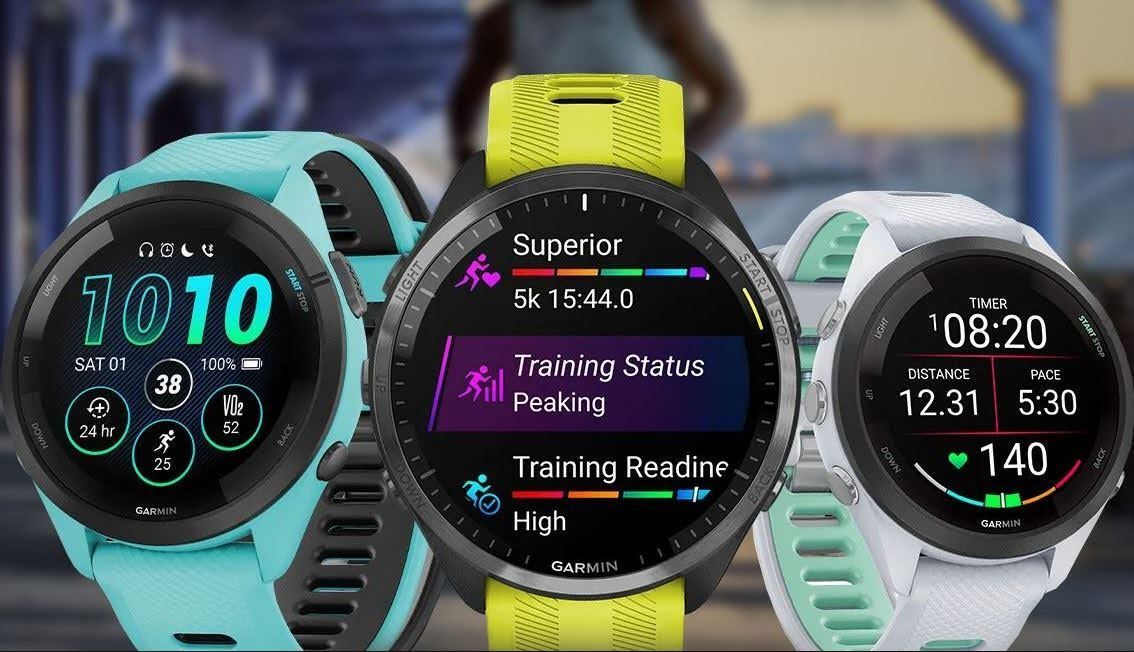
Image Source: ROUVY
Your wrist becomes mission control on race day. Modern GPS devices and multisport watches transform into technological command centers that guide you through every stroke, pedal, and stride.
Watch Description
Multisport watches designed for triathlon feature specialized capabilities that seamlessly track swimming, cycling, and running with precise transition timing. Waterproof construction stands as the baseline requirement—expect ratings of at least 50 meters depth for reliable swim tracking. Most models include heart rate monitoring through either built-in sensors or compatible chest straps for enhanced accuracy. Advanced options incorporate GPS tracking that delivers real-time data on pace, distance, and route navigation.
Triathlon-specific watches include dedicated “triathlon mode” that enables one-button transitions between sports. Premium manufacturers like Garmin offer extended features including training readiness metrics, VO2 Max estimation, and open-water swim tracking. Battery life varies dramatically between models—high-end watches provide multiple days of GPS tracking, which becomes crucial for longer events.
Why Watch is Essential
Race day adrenaline disrupts your natural perception of effort. Research confirms that objective data becomes crucial for optimal performance when your internal sensors fail you. Without heart rate guidance, many beginners push too hard initially, sabotaging their overall race performance.
The seamless transition function proves invaluable—simply press a button to switch from swim to T1 to bike to T2 to run. Post-race, collected data provides insights for analyzing performance patterns and planning future training. Many races now offer GPS tracking integration, allowing spectators to follow athletes’ progress in real-time.
Watch Tips for Beginners
Master these watch fundamentals before race day:
- Create custom data screens for each discipline—keep swimming displays simple, add detailed metrics for cycling and running
- Practice triathlon mode during brick workouts to build familiarity with transition functions
- Start your watch 30 seconds before race start and avoid obsessing about stopping precisely at timing mats
- Position the watch screen under your wetsuit sleeve during the swim for protection while maintaining tracking
- Consider mounting your watch on handlebars using quick-release kits for better visibility while cycling
Gear Comparison: Your Quick Reference Guide
Here’s your complete equipment breakdown – fifteen essential items that separate successful finishers from DNS (Did Not Start) casualties.
| Item | Primary Function | Key Features | Essential Benefits | Beginner Tips |
| Tri Suit | All-in-one race garment | Quick-drying fabric, thin chamois pad, compression technology | Reduces transition time, improves aerodynamics | Test thoroughly before race day, prioritize fit over features |
| Wetsuit | Thermal protection & buoyancy | 4-5mm torso thickness, 1.5-2mm arms, smooth external coating | 6-11% swim time improvement, increased buoyancy | Practice putting it on, use anti-chafe lubricant |
| Swim Goggles | Eye protection & visibility | Anti-fog coating, UV protection, watertight seal | Clear sighting, eye protection from irritants | Test fit without strap, bring backup pair |
| Swim Cap | Head protection & visibility | Silicone/latex/neoprene construction, bright colors | Reduces drag, regulates temperature, increases visibility | Position seam front to back, wet hair before application |
| Bike | Primary race transportation | Various frame materials, aerodynamic design options | Accounts for 60% of race time | Start with road bike, prioritize fit over features |
| Helmet | Head protection | Ventilation systems, aerodynamic design | Safety protection, 30-60 seconds/hour time savings | Ensure proper sizing, level positioning |
| Cycling Shoes | Power transfer to pedals | Quick-entry design, stiff soles, ventilation | Maximizes pedaling efficiency | Determine proper fit, practice transitions |
| Flat Kit | Emergency repair | Tubes, tire levers, inflation system | Enables race continuation after puncture | Practice repairs before race day |
| Sunglasses | Eye protection | UV400 protection, lightweight materials, ventilation | Prevents eye fatigue, shields from debris | Match lens tints to conditions |
| Running Shoes | Foot protection & comfort | Quick-entry features, cushioning, breathability | Reduces impact stress, enables fast transitions | Break in before race day |
| Race Belt | Number display | Adjustable strap, number attachments | Eliminates safety pins, quick number rotation | Position below navel, practice access |
| Nutrition/Hydration | Energy & fluid replacement | Carbs, electrolytes, fluids | Prevents fatigue and dehydration | Calculate needs beforehand, practice in training |
| Transition Towel | Organization platform | Bright colors, compact size | Marks transition spot, creates clean surface | Arrange gear in order of use |
| Anti-Chafe Product | Friction prevention | Water-resistant formulation, skin barrier | Prevents skin irritation | Apply generously before race |
| Watch/GPS Device | Performance tracking | Waterproof, multisport modes, GPS | Provides pacing guidance, transition timing | Practice with triathlon mode |
Notice how each piece serves multiple purposes? Your wetsuit isn’t just about warmth – it’s a performance enhancer that can slash minutes from your swim time. Your transition towel isn’t just about organization – it’s your beacon in a sea of identical bikes when adrenaline clouds your judgment.
The gear that seems least important often proves most crucial. Ask any triathlete about their worst race day disaster, and you’ll hear stories about forgotten anti-chafe products, broken goggle straps, or flat tires without repair kits.
Remember: the most expensive gear won’t compensate for poor preparation. Master the basics before chasing marginal gains.
Conclusion
That pile of gear scattered across your bedroom floor doesn’t have to be a source of panic anymore.
Each piece of equipment on your triathlon checklist serves a specific purpose – from your tri suit that eliminates transition fumbling to your GPS watch that keeps you on pace when race day adrenaline takes over. These 15 essentials work together as a system, not just individual items you throw into a bag.
Here’s what matters most: your equipment preparation demands the same attention as your training plan. Match your gear choices to your experience level and race goals. Sprint distance rookie? Start with the basics and upgrade as you discover what works for your body and racing style. Chasing that sub-6-hour Ironman? Every piece needs to be tested, proven, and race-ready.
Never – and I mean never – introduce new gear on race day. That shiny new helmet or those promising running shoes belong in training sessions, not transition bags. Race day demands familiarity and confidence, not experiments.
Your transition area organization reveals your preparation level. Pack systematically. Test your setup during training. Know exactly where everything belongs and how quickly you can access it. These details separate smooth races from chaotic scrambles.
Remember this truth: expensive gear won’t fix poor preparation. That $10,000 bike won’t help if you haven’t practiced nutrition timing or transition techniques. Your fitness, race strategy, and mental preparation ultimately determine your performance. Quality equipment simply enables you to showcase the work you’ve put in during training.
You now have the knowledge to make smart equipment decisions for your next race. Test thoroughly. Prepare systematically. Race confidently. Your months of training deserve gear that supports your goals rather than creating new obstacles.
Time to turn that gear pile into a perfectly organized race day arsenal.
Key Takeaways
Master these essential gear fundamentals to transform your triathlon experience from stressful to successful, ensuring you’re prepared for every challenge race day presents.
• Test all gear extensively before race day – Never introduce new equipment during competition; familiarity builds confidence and prevents costly mistakes.
• Prioritize fit over features for major items – A properly fitted $1,000 bike outperforms an uncomfortable $10,000 model; comfort directly impacts performance.
• Focus on transition efficiency with specialized gear – Tri suits, race belts, and quick-entry shoes can save precious minutes during discipline changes.
• Prepare for mechanical failures with essential repair kits – Flat tires account for 80% of triathlon mechanical issues; proper tools keep you racing.
• Plan nutrition strategy as your “fourth discipline” – Calculate 30-60g carbs hourly for moderate efforts, 70-90g for longer races, and practice extensively.
• Use anti-chafe products generously on all friction points – Apply before putting on your wetsuit/tri suit to prevent race-ending skin irritation.
Remember that expensive gear doesn’t guarantee success—proper training, nutrition, and race strategy ultimately determine performance. Your equipment should enable you to showcase the fitness you’ve built through dedicated preparation.
Do Swimming Ear Plugs Contribute to a Better Race Day Experience in Triathlons?
Many triathletes overlook the importance of preparation for a seamless race day. One key element is the benefits of swimming ear plugs. They prevent water from clogging your ears, enhancing focus and comfort during the swim segment. By reducing distractions, these ear plugs can significantly improve your overall performance on race day.
FAQs
Q1. What is the recommended training intensity distribution for triathletes? Research shows that triathletes perform best when 80% of their training is done at low intensity and 20% at moderate to high intensity. This 80/20 rule helps optimize endurance and performance gains.
Q2. What are the essential gear items needed for a triathlon? Essential triathlon gear includes a tri suit, wetsuit, swim goggles, bike, helmet, running shoes, nutrition/hydration supplies, and a race belt. Other important items are cycling shoes, a flat kit, sunglasses, and a GPS watch.
Q3. How should triathletes approach nutrition on race day? For race day breakfast, consume easily digestible carbohydrates 2-3 hours before start time. Good options include oatmeal with banana and honey, toast with nut butter, or a sports drink. Continue hydrating leading up to the race start.
Q4. What’s the importance of anti-chafing products in triathlon? Anti-chafing products are crucial for preventing skin irritation during a triathlon. Apply generously to areas prone to friction, such as the neck, underarms, and thighs, before putting on your wetsuit or tri suit to ensure comfort throughout the race.
Q5. How can beginners optimize their triathlon gear choices? Beginners should prioritize fit and comfort over high-end features when selecting gear. Test all equipment thoroughly before race day, focus on transition efficiency with items like quick-entry shoes, and don’t introduce any new gear on race day itself.