
5 Essential Triathlon Recovery Tips to Boost Your Performance
August 17, 2025
How to Master Elite Swimming Workouts: A Champion’s Fueling Guide
August 19, 2025
Did you know that 65% of elite athletes crash into overtraining at some point during their careers? Your body sends warning signals long before you hit that wall. Amateur triathletes clock about 13 hours weekly—half the volume of professionals yet significantly more than marathon runners.
The difference between peak performance and overtraining isn’t always obvious. What happens to your body during an Ironman extends far beyond race day fatigue. Injuries plague between 29% to 91% of adult triathletes at any given time. More than four million triathletes worldwide face these same struggles. Adjusting your training regimen can make a significant difference in your recovery and performance. Ironman training adjustments for athletes should include proper nutrition, rest, and cross-training to avoid burnout and injuries. By tailoring your approach, you can optimize your preparation and remain competitive while minimizing the risk of setbacks.
Your morning heart rate tells the story. When it’s elevated despite adequate sleep, your body isn’t recovering properly. Night sweats and interrupted sleep signal elevated cortisol levels—clear indicators that your training needs immediate adjustment.
Don’t worry – you’re not alone. Many dedicated athletes push themselves into dangerous territory without recognizing the warning signs. This guide will help you identify whether your body is primed for peak performance or heading toward breakdown, so you can train smarter when it matters most.
Training Load vs. Recovery: The Balancing Act
Have you ever felt like you’re walking a tightrope between pushing hard enough and pushing too far? Most triathletes struggle with this delicate balance. The difference between peak performance and overtraining often comes down to how well you manage training stress against recovery time.
Weekly Training Hours: 14 vs 20+ Hours
Here’s a truth that might surprise you: amateur triathletes training less than 14 hours weekly achieve virtually identical Ironman finish times compared to those grinding out 14-20 hours or even 20+ hours per week. This contradicts what most athletes believe about training volume.
Beginners can complete an Ironman on 11-12 hours weekly, with peak weeks around 15 hours. Intermediate athletes typically train 12-15 hours weekly, while advanced athletes aim for 14-16 hours. Consistency trumps occasional heroic training blocks—professionals distinguish themselves through year-round training continuity rather than sporadic high-volume efforts.
Many age-group athletes become “Weekend Warriors” due to work constraints, cramming their training into weekends. This approach can work, but it creates recovery challenges that demand careful management.
Sleep Duration: 6 Hours vs 8+ Hours
Sleep directly impacts your race performance. Total sleep time explains 33% of performance variation in triathlon stage 1 and 30% in stage 3. Research identified a critical threshold: the top 25% of race finishers averaged at least 401.6 minutes (6.7 hours) of sleep per night during multi-day events. Athletes must recognize the impact of sleep on triathletes in order to optimize training and performance. Insufficient rest can lead to decreased muscle recovery and impaired mental focus, both of which are crucial in endurance events. Prioritizing sleep not only boosts physical endurance but also sharpens strategic decision-making during critical moments of competition.
Foundation sleep recommendations for adult athletes range from 8-10 hours nightly plus a 30-minute afternoon nap. For every ten hours of weekly exercise, you should aim for an extra hour of sleep beyond your normal requirements.
Sleep quality suffers during intensive training periods, with total sleep time decreasing significantly as competitions approach. This reduction correlates directly with slower performances—making sleep management crucial during peak training phases.
Recovery Time Allocation in Peak vs Overtrained States
Effective recovery planning requires three distinct approaches:
- Complete rest days – No training whatsoever, focusing on gentle stretching and self-care
- Days off your legs – Swimming only, especially after high-volume weekends
- Active recovery – Easy spinning, light swimming, or mobility work for 20-90 minutes
Peak training states require at least one full day per week dedicated to active recovery, with one to three complete rest days within your periodization. Overtrained athletes need more extensive recovery protocols, often beginning with 3-7 days of minimal activity.
The “golden rule” of Ironman training emphasizes consistency over occasional spectacular workouts. Your ability to maintain training consistency throughout preparation depends on skillfully balancing training stress with adequate recovery.
Physiological Markers: What Your Body Tells You
Your body broadcasts its training status through measurable signals long before you notice performance changes. These physiological markers offer the clearest picture of whether you’re approaching peak fitness or sliding toward overtraining.
Resting Heart Rate: Elevated vs Stable
Morning heart rate provides your most reliable recovery gauge. Overtrained athletes typically show resting heart rate increases of 5-10 beats per minute above their normal baseline. This elevation appears early in overtraining syndrome, making it one of your most dependable warning systems.
Sleep heart rate patterns tell an equally important story. Overtrained states create less regular patterns with higher peaks throughout the night. Simply tracking your morning pulse upon waking creates a practical first line of defense.
Max Heart Rate Drop: 5–10 bpm in Overtrained Athletes
Here’s something many athletes miss: maximum heart rate actually decreases with chronic overtraining. Studies reveal a 3-7% reduction in maximal heart rate among overtrained athletes. This decline correlates strongly with decreased performance despite identical training loads.
Chronically overtrained athletes exhibit dampened cardiac response during exercise. Your heart beats slower at maximum effort—not from improved fitness but from autonomic nervous system dysfunction.
Blood Markers: Cortisol, CK, and White Blood Cell Count
Blood testing reveals what’s happening inside your recovery system. The testosterone-to-cortisol ratio frequently decreases during overtraining as cortisol rises while testosterone drops. This hormonal shift promotes protein breakdown rather than muscle building.
Creatine kinase (CK) levels rise significantly in overtrained states, signaling muscle damage outpacing repair. Chronically elevated cortisol suppresses normal immune function, decreasing lymphocyte and antibody concentrations.
Immune Function: Neutropenia and URTI Risk
Here’s a startling statistic: 16% of elite triathletes exhibit neutropenia—abnormally low neutrophil counts. This immune suppression makes you substantially more vulnerable to infections. Following endurance events like half-Ironman competitions, athletes become five times more likely to contract upper respiratory infections.
The “open window” phenomenon explains this vulnerability. Immune function remains suppressed for 3-12 hours post-exercise. Frequent intense training without adequate recovery creates prolonged immune suppression, particularly affecting white blood cell production in bone marrow.
These physiological markers create a detailed picture of your training status, allowing timely interventions before serious performance declines or health consequences develop.
Performance Metrics: When More Isn’t Better
Performance data reveals what training volume alone cannot tell you. The numbers don’t lie—when your body shifts from peak conditioning into overtraining territory, the evidence shows up clearly in your race results.
Race Time Trends: Experienced vs Overtrained Athletes
Athletes in optimal condition maintain steady improvement or consistent race times across events. Overtrained athletes tell a different story. Their performance follows a predictable pattern: small declines at first, then dramatic drops of 10% or more in race times.
Peak performers pace consistently throughout races. Overtrained athletes? They start strong but fade dramatically in the second half. Even tapering doesn’t help—while properly trained competitors respond positively to pre-race rest, overtrained athletes continue struggling despite reduced training.
Swim, Bike, Run Splits: Impact of Fatigue
Each discipline betrays overtraining in its own way. Swimming technique crumbles first when fatigue sets in—small errors compound quickly in the water. Running economy suffers most dramatically, with studies showing 4-7% decreases among overtrained athletes compared to those at peak fitness. Bike splits remain most stable initially but gradually show reduced power output despite identical effort levels.
Perceived Exertion vs Actual Output
Here’s where overtraining becomes mentally crushing. Your workouts feel harder while producing worse results. Overtrained athletes consistently report higher Rating of Perceived Exertion (RPE) values while generating lower power outputs or slower paces.
You’ll recognize this disconnect when:
- Familiar workouts suddenly feel impossible
- Recovery between quality sessions stretches longer
- Training becomes a mental battle rather than physical challenge
OBLA Threshold: Early Onset in Overtrained States
Your lactate threshold shifts dramatically when overtrained. Onset of Blood Lactate Accumulation (OBLA) occurs earlier during exercise—meaning you hit your anaerobic threshold at lower intensities than when properly recovered.
Even elite athletes experience this metabolic efficiency loss when overreaching. Your body starts producing excess lactate at power outputs that previously caused minimal accumulation. Race pace becomes energetically expensive, with more energy diverted toward recovery rather than performance adaptation.
Long-Term Health Effects of Overtraining
The consequences extend far beyond your racing career. Years of pushing physiological boundaries leave lasting marks that surface gradually, often catching retired athletes off guard.
Cardiovascular Remodeling: Adaptive vs Maladaptive
Your heart adapts to endurance training—but adaptation can turn dangerous. Master endurance athletes show dramatically higher rates of atrial fibrillation (32% vs 0% in controls) and non-sustained ventricular tachycardia (9% vs 1% in controls). These cardiac arrhythmias persist even after hanging up your racing shoes.
Triathletes develop larger left atria (45mL/m² vs 31mL/m² in non-athletes) and significantly more cardiac scarring (40% vs 18%). Cardiologists describe this as an “inverted J-shaped curve”—moderate exercise improves heart health, but excessive training potentially triggers dangerous changes.
Oxidative Stress and Atherosclerosis Risk
Ironman racing unleashes substantial oxidative damage. The 8-oxo-dG concentrations typically double after competition. This cellular assault continues for days post-race, with damage markers remaining elevated 24 hours after you cross the finish line.
Excessive reactive oxygen species attack arterial walls—the first step toward atherosclerosis. These inflammatory processes can accelerate arterial plaque formation in chronically overtrained athletes.
Bone Density and Hormonal Disruption
Overtraining wreaks havoc on your hormonal system. Research consistently identifies lower testosterone and elevated cortisol levels in overtrained athletes. This imbalance helps explain why bone stress injuries target the lumbar spine most commonly among endurance athletes.
Studies tracking triathletes over 24 weeks found no significant bone mineral density changes—suggesting these effects need longer timeframes to manifest.
Mental Health: Mood Swings and Burnout
Mental symptoms often appear before physical ones. Elite triathletes typically display an “iceberg profile” of high vigor and low negative emotions. Overtrained athletes flip this pattern—developing an “inverse iceberg profile” with elevated depression, anxiety, and fatigue scores.
Chronic stress hormones actually shrink brain structures that control emotional regulation. This neurological damage explains why overtrained athletes experience increased irritability, depression, and risky behaviors—problems that can persist long after competition ends.
Monitoring and Prevention Strategies
Preventing overtraining requires more than tracking miles and watts. Your body speaks through subtle signals that most athletes ignore until it’s too late.
Training Diaries and Subjective Logs
Have you ever wondered why some athletes seem bulletproof while others break down repeatedly? The answer often lies in their logbooks. Detailed records serve as your first defense against overtraining syndrome.
Track more than workout metrics. Record your perception of effort, recovery rate, and general wellbeing. Rate stress, fatigue, and muscle soreness daily on a 1-10 scale. Document sleep quality, illness symptoms, and nutrition intake. These subjective markers often reveal warning signs that objective data misses completely.
The Daily Analyzes of Life Demands for Athletes (DALDA) provides a structured self-monitoring approach, helping you identify stress responses before they derail performance.
Heart Rate Variability and Sleep Tracking
Heart rate variability (HRV) reflects your recovery system’s current strength. Low HRV signals your body needs more recovery time. High HRV means you bounce back faster from intense sessions. Establish your baseline by tracking HRV for at least one month during regular training.
Morning HRV monitoring helps you decide whether to tackle that scheduled hard workout or choose recovery instead. Elite triathletes rely on this daily metric for training decisions. Remember that HRV scores vary dramatically by age—average scores drop from 78 for 25-year-olds to 44 for 55-year-olds.
Periodization and Deload Weeks
Smart training cycles prevent overtraining through structured stress and recovery balance. Traditional periodization follows a 3:1 loading pattern—three progressive weeks followed by one recovery week with 20% reduced volume. Masters athletes often benefit from a 2:1 ratio with recovery weeks every third week.
Proper periodization progresses from general, lower-intensity work toward specific, higher-intensity sessions as races approach. Tapering requires decreasing volume by 20-50% weekly while maintaining some intensity.
Role of Coaching and Feedback Loops
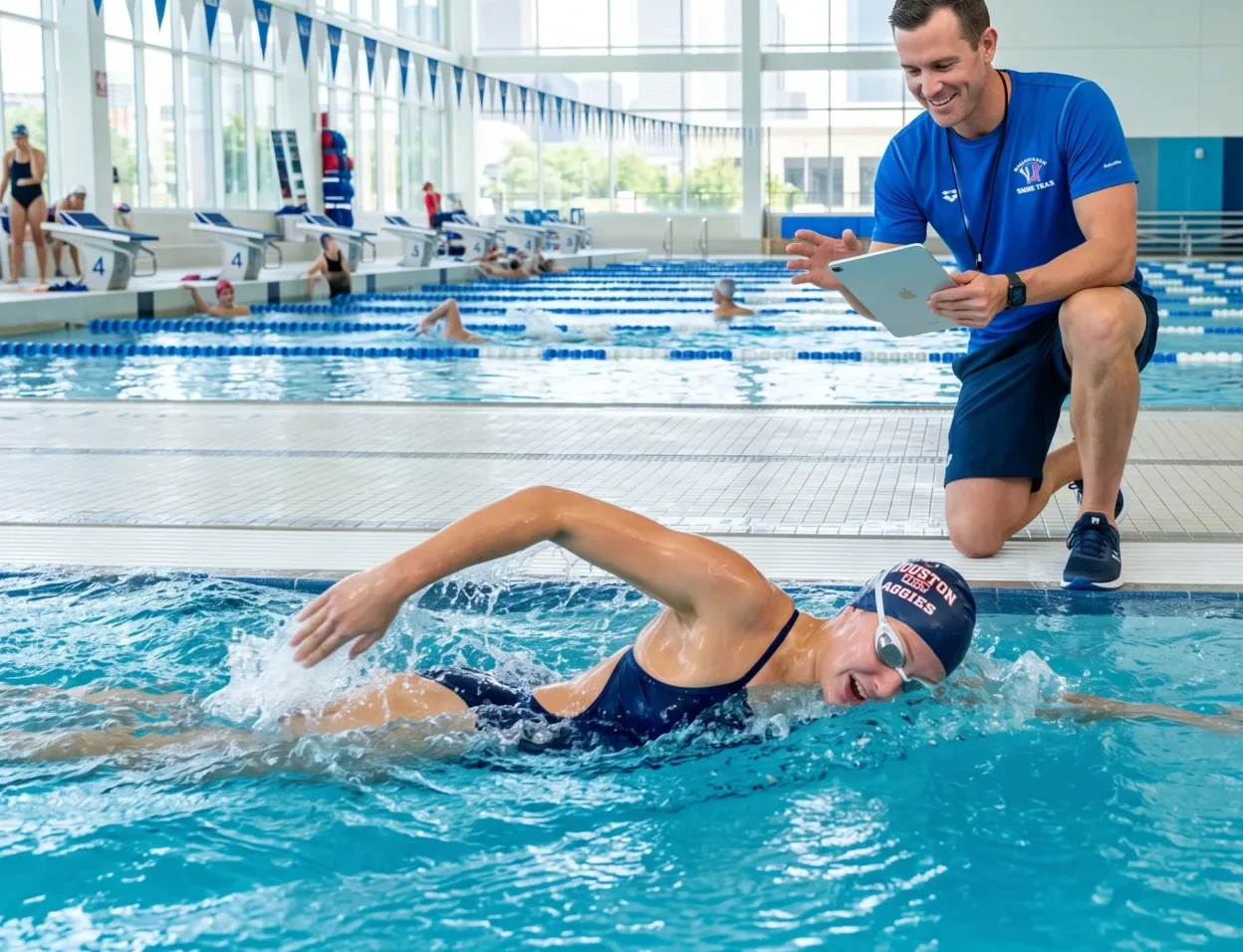
Coaches provide critical objective assessment when ambition clouds your judgment. A skilled coach will rein in overzealous training and establish appropriate recovery protocols.
Need help with your Ironman Plan? Schedule a coach consult to discuss your training needs and options.
Effective coaching relationships feature consistent communication about workout feedback, weekly strategy sessions, and collaborative reflection. This continuous feedback loop allows timely training adjustments based on your body’s responses rather than blindly following rigid plans.
Peak Performance vs Overtraining: The Complete Comparison
Here’s the truth about identifying your training status. Most triathletes struggle to recognize the difference between productive training stress and dangerous overtraining. This comparison breaks down the key markers you need to monitor.
Use this table as your training status checkpoint. Review these markers weekly to catch problems before they derail your season.
| Aspect | Peak Performance | Overtrained State |
| Training Hours (Amateur) | 11-16 hours weekly | 20+ hours weekly |
| Sleep Requirements | 8-10 hours nightly + 30min nap | 6 hours or less |
| Recovery Days | 1-3 rest days per week | Requires 3-7 days minimal activity |
| Resting Heart Rate | Stable baseline | 5-10 bpm above baseline |
| Maximum Heart Rate | Normal range | 3-7% reduction |
| Race Performance | Consistent or gradually improving times | 10%+ performance drops |
| Perceived Exertion | Matches actual output | Higher RPE for same workload |
| Immune Function | Normal | 5x higher risk of infections |
| Cortisol Levels | Normal | Elevated |
| Training Response | Positive adaptation to taper | Poor response to rest periods |
| Running Economy | Normal | 4-7% decrease |
| Mental State | “Iceberg profile” (high vigor) | “Inverse iceberg profile” (depression, anxiety) |
| Recovery Rate | Normal between sessions | Extended recovery needed |
| Blood Markers | Normal T:C ratio | Decreased testosterone-to-cortisol ratio |
The key insight? Multiple markers typically shift together. One elevated metric might be normal daily variation, but three or more warning signs demand immediate attention to your training load and recovery protocols.
Conclusion
Learning the difference between peak performance and overtraining might be the most valuable skill you develop as a triathlete. Your body constantly communicates its training status through morning heart rate changes, sleep patterns, and performance metrics. The challenge lies in listening—really listening—to these signals before you cross into dangerous territory.
Quality trumps quantity every time. Most amateur athletes perform just as well on 11-16 weekly training hours as those grinding through 20+ hour schedules. Sleep matters more than most realize, with top performers prioritizing 8+ hours nightly plus recovery naps. These aren’t luxury habits—they’re performance essentials.
Your resting heart rate, immune function, and perceived exertion tell the real story of your training status. When these markers shift, your body is asking for attention. Ignore them, and you risk not just poor race performance but lasting health consequences that can follow you long after retirement.
The stakes extend beyond your next race time. Chronic overtraining can trigger cardiovascular changes, hormonal disruptions, and mental health challenges that persist for years. This reality makes balanced training crucial for both immediate goals and lifelong wellbeing.
Smart monitoring creates your safety net. Daily tracking of subjective feelings, heart rate variability, and sleep quality reveals patterns that raw training data can’t show. Strategic periodization with planned recovery weeks keeps you progressing without breakdown.
Your Ironman journey requires walking that fine line between pushing limits and respecting boundaries. Athletes who master this balance don’t just achieve peak race-day performance—they enjoy sustainable health and genuine love for the sport. Your body speaks constantly about your training status. Learning its language might just transform your entire approach to endurance athletics.
Key Takeaways
Understanding the difference between peak performance and overtraining can make or break your Ironman journey. Here are the essential insights every triathlete needs to know:
• Training volume doesn’t equal performance: Amateur triathletes training 11-16 hours weekly achieve similar Ironman times as those training 20+ hours, proving consistency beats excessive volume.
• Sleep is your secret weapon: Top performers get 8+ hours nightly plus naps, with sleep quality explaining up to 33% of race performance variation.
• Your resting heart rate tells the truth: A 5-10 bpm increase above baseline signals overtraining before performance drops occur.
• Overtraining creates lasting health risks: Chronic overtraining can cause cardiac arrhythmias, immune suppression, and mental health issues that persist even after retirement.
• Monitor daily to prevent disaster: Track subjective feelings, heart rate variability, and sleep quality to catch overtraining early—your body warns you before performance crashes.
The key to Ironman success lies in walking the fine line between pushing limits and respecting recovery. Athletes who master this balance achieve not only peak race performance but also long-term health and sustainable enjoyment of the sport.
FAQs
Q1. How many hours should an amateur Ironman triathlete train per week? Most amateur triathletes achieve optimal results with 11-16 hours of weekly training. Surprisingly, those training 20+ hours often don’t see significant performance improvements compared to more moderate schedules.
Q2. What are some early warning signs of overtraining in triathletes? Key indicators include an elevated resting heart rate (5-10 bpm above baseline), decreased maximum heart rate, compromised immune function, and a mismatch between perceived exertion and actual performance output.
Q3. How does sleep affect Ironman triathlon performance? Sleep quality and duration play crucial roles in recovery and performance. Top performers consistently get 8+ hours of sleep nightly, with research showing that sleep can explain up to 33% of race performance variation.
Q4. What long-term health risks are associated with chronic overtraining in triathletes? Chronic overtraining can lead to cardiovascular remodeling, increased oxidative stress, hormonal disruptions, and mental health challenges. These effects may persist even after retiring from competition.
Q5. How can triathletes effectively monitor their training to prevent overtraining? Effective strategies include keeping detailed training logs, tracking subjective feelings daily, monitoring heart rate variability, assessing sleep quality, and implementing structured periodization with planned recovery weeks. Working with a coach can also provide valuable objective feedback.