
Factors Destroying HRV: What Smart Training Programs Miss
November 11, 2025
How to Use Sports Massage Therapy to Race Faster
November 17, 2025
Here’s a surprising fact that will change how you think about triathlon training: you can reach the start line of your first race with just 4-5 hours of weekly training over 8 weeks.
Shocked? Don’t worry – you’re not alone.
Most aspiring triathletes feel overwhelmed when they think about mastering three sports at once. Swimming, biking, and running combined seems like an impossible mountain to climb. The reality is far different from the perception that keeps so many people on the sidelines.
More than 2 million people participate in triathlons each year. These aren’t superhuman athletes with unlimited time and perfect genetics. They’re everyday people who discovered something remarkable – triathlon is more accessible than anyone imagines.
A sprint triathlon consists of a 750-meter swim, 20km bike ride, and 5km run. That’s it. Two months of consistent training gets you race-ready. Whether you’re already fit or just starting your fitness journey, an 8-12 week program provides everything you need for your first event.
Smart training beats endless hours every time. The secret isn’t grinding through grueling workouts. Instead, focus on structured sessions that prepare your body for what it will face on race day. Brick workouts – where you complete swim and bike or bike and run sessions back-to-back – simulate race conditions and build the specific fitness you’ll need.
Are you ready to go from scared beginner to confident finisher? This guide covers everything you need to know about starting your triathlon journey, from selecting your first race to crossing that finish line with a smile.
Why Triathlon is More Doable Than You Think
“I would drown.” “I can’t swim/bike/run.” “I don’t have time.”
Sound familiar? These thoughts race through most beginners’ minds before they even consider signing up for their first race. Fear and misconceptions keep countless potential triathletes stuck on the sidelines of this rewarding sport.
The truth? Triathlon is far more accessible than most people imagine.
Triathlon myths that scare beginners
Reality differs dramatically from perception when it comes to triathlon. Here are the myths that unnecessarily frighten beginners:
Myth 1: You need expensive gear to participate Sure, you could spend thousands on specialized equipment. But here’s what you actually need: a swimsuit and goggles. Any bike that rolls with working brakes. Running shoes that fit properly. That’s it.
Elite gear doesn’t create elite athletes. Training does.
Myth 2: Only elite athletes can complete triathlons Walk around any triathlon venue and you’ll see the truth. Teenagers line up next to people in their eighties. The average triathlete is 38 years old, with the largest age group being 40-44. Bodies of every shape and size cross finish lines.
Perfect physiques aren’t required. Determination is.
Myth 3: The swim portion is impossibly difficult Swimming triggers the most fear because the logic seems simple: “If I get tired running, I walk. If I get tired biking, I coast. If I get tired swimming… I drown”.
Here’s what beginners don’t realize: sprint triathlon swims last only 10-15 minutes. That’s the shortest portion of your entire race. Many beginner-friendly events even use pools instead of open water, eliminating the intimidation factor completely.
Myth 4: You must train for years before your first race Most sprint triathlons require just 12 weeks of preparation. Three to five workouts per week focusing on your weaker areas gets you race-ready faster than you think. Training all three sports daily? That’s a recipe for burnout and injury.
Smart preparation beats endless grinding every time.
Why anyone can become a triathlete
The triathlon community welcomes everyone. You’ll witness people achieving their goals despite having one leg, no legs, one arm, no arms, or conditions like cerebral palsy, multiple sclerosis, and cancer.
Your current fitness level matters less than your willingness to start. Anyone can become a triathlete by following these principles:
Start with shorter distances: Sprint triathlons require just 4-5 hours of weekly training over 8 weeks. Master the fundamentals without overwhelming yourself.
Consistency trumps intensity: Forget about pushing through pain. Successful triathlon training emphasizes manageable, consistent workouts. This approach prevents injuries while gradually building endurance.
Embrace the community: Fellow triathletes understand everyone starts somewhere. They eagerly share advice and encouragement. Many beginners discover this support surprisingly valuable for their progress.
Master the mental game: Triathlon success depends as much on mindset as physical training. Learn the difference between discomfort and pain. Your attitude toward challenges often determines your experience more than your initial fitness.
Remember this: triathlons aren’t about beating others. They’re about pushing your personal limits. This individual challenge aspect makes triathlon accessible to athletes at every fitness level.
Your only real competitor is yourself.
Choosing the Right Triathlon for Your First Race
Your first triathlon choice shapes everything that follows. Pick the right event and you’ll build confidence for years to come. Choose poorly and you might never want to race again.
Understanding race distances and finding beginner-friendly events makes the difference between a positive experience and a discouraging struggle.
Sprint vs. Olympic vs. Ironman
Triathlon distances follow standard formats, each with distinct demands:
Super Sprint: The perfect starting point for complete beginners. Features a 400-yard swim, 10-mile bike, and 2-mile run. Most events use swimming pools, eliminating open water anxiety. Training requires just 4-6 hours weekly.
Sprint: The classic beginner distance at 750m swim (0.47 miles), 20km bike (12.4 miles), and 5km run (3.1 miles). Age-group athletes typically finish under 90 minutes. You’ll experience all three disciplines while training only 4-6 hours per week.
Olympic/Standard: The distance featured in the Olympic Games—1.5km swim (0.93 miles), 40km bike (25 miles), and 10km run (6.2 miles). Finishing under 3 hours marks a respectable performance. Training demands increase, particularly with 2-3 hour bike sessions.
Half-Ironman/70.3: A major step up at 1.9km swim (1.2 miles), 90km bike (56 miles), and 21.1km run (13.1 miles). The 35-39 age group sees finish times around 6 hours for men and 7 hours for women. Training requirements jump significantly.
Ironman: The ultimate test at 3.8km swim (2.4 miles), 180km bike (112 miles), and 42.2km marathon run (26.2 miles). Simply finishing within 17 hours represents an achievement. Training demands 10-12 hours weekly plus “big weekends” that impact family time.
Start with a sprint triathlon or super sprint for your first race. These distances let you experience all three disciplines without overwhelming yourself physically or logistically.
How to pick a beginner-friendly race
Distance matters, but other factors determine your race day experience:
Swimming environment: Open water anxiety affects many beginners. Pool swims eliminate this concern.
Course profile: Flat courses reduce unnecessary complications.
Location logistics: Stay close to home for your first race. Local events eliminate bike transport headaches and accommodation stress, letting you focus on racing.
Seasonal timing: Match race dates to your training capabilities. Northern residents should avoid early spring races requiring winter training. Southern athletes might skip fall races that demand summer training in extreme heat.
Alternative formats: Consider multisport options if certain disciplines concern you:
- Duathlon (run-bike-run)
- Aquabike (swim-bike) options at many events
- Aquathlon (swim-run) for those avoiding cycling
Special features: Look for beginner-friendly elements:
- Pre-race clinics and open-water swim practices
- Women-only events like Tri Girl and Island Girl Triathlon
- Family-friendly races with kids’ divisions
- Relay options for team participation
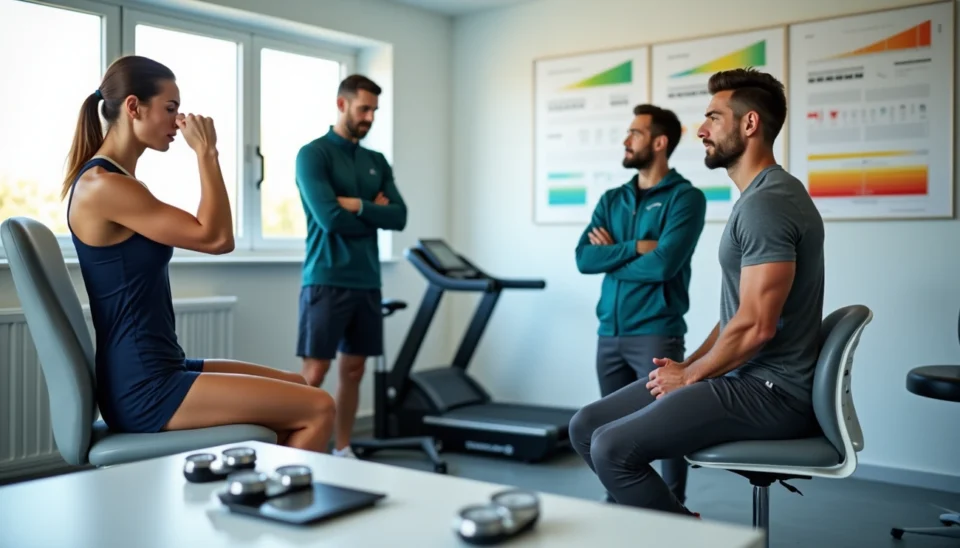
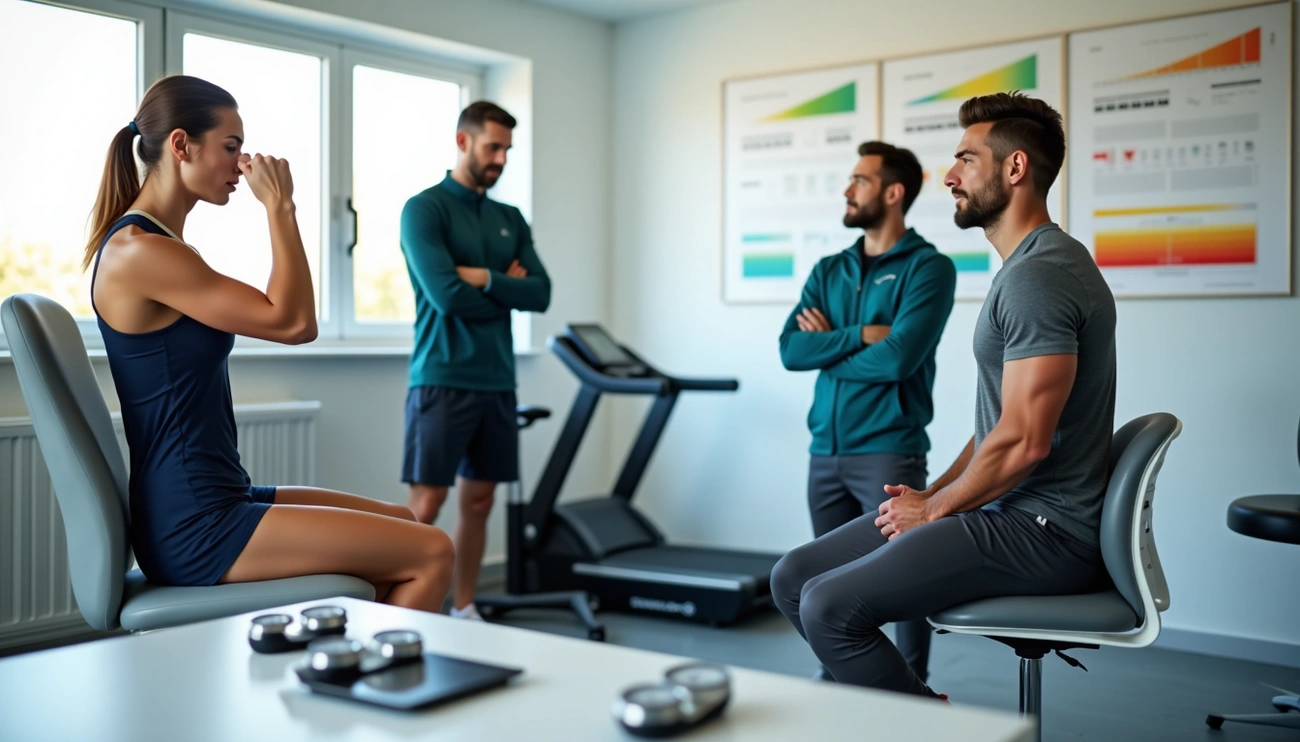
Choose an event that excites you. Your first triathlon should challenge you while remaining achievable, building the confidence to continue your multisport journey. In preparation for your first competition, consider incorporating performance testing for triathletes into your training regimen. This can help identify areas for improvement and optimize your endurance, speed, and technique. By understanding your current capabilities, you can tailor your workouts to ensure you’re ready for race day.
Building Your Beginner Triathlon Training Plan
You’ve picked your race. Now comes the moment that makes most beginners freeze up – creating a training plan that actually works.
Here’s what happens to most aspiring triathletes: they either dive into random workouts without structure or get paralyzed trying to perfect every detail before they start. Both approaches lead to the same disappointing result – race day arrives and they’re not prepared.
Effective triathlon preparation requires structure, consistency, and smart progression. Notice what’s missing from that list? Grueling workouts that leave you exhausted. 80/20 training benefits for triathletes can bridge the gap by emphasizing quality over quantity. By focusing on high-intensity sessions balanced with ample recovery, athletes can enhance their performance without the burnout. This approach not only improves speed and endurance but also fosters a sustainable training routine over the long term. In addition to the training methods, the importance of Houston triathlon safety measures cannot be overlooked. Athletes should prioritize their safety by familiarizing themselves with local regulations and race day protocols. This preparation includes understanding how to navigate the course safely and effectively, ensuring a worry-free competition experience.
How to start training for a triathlon
Before jumping into any training program, you need an honest assessment of where you stand. Can you swim at least 100 yards non-stop (preferably freestyle), cycle for 20 minutes continuously, and run for 10 minutes without stopping? If not, focus on building this base fitness first.
Most beginners thrive with the “2-2-2” pattern: two swims, two bike rides, and two runs per week. This balanced approach prevents the classic mistake of overtraining in one discipline while neglecting the others.
Start conservatively with your effort levels, especially during those first few weeks. Your primary goal should be completing the scheduled sessions rather than chasing specific pace targets. Performance gains happen naturally as your fitness improves across all three disciplines.
Weekly structure for swim, bike, and run
An effective beginner training plan follows a systematic weekly structure that builds specific fitness for each sport:
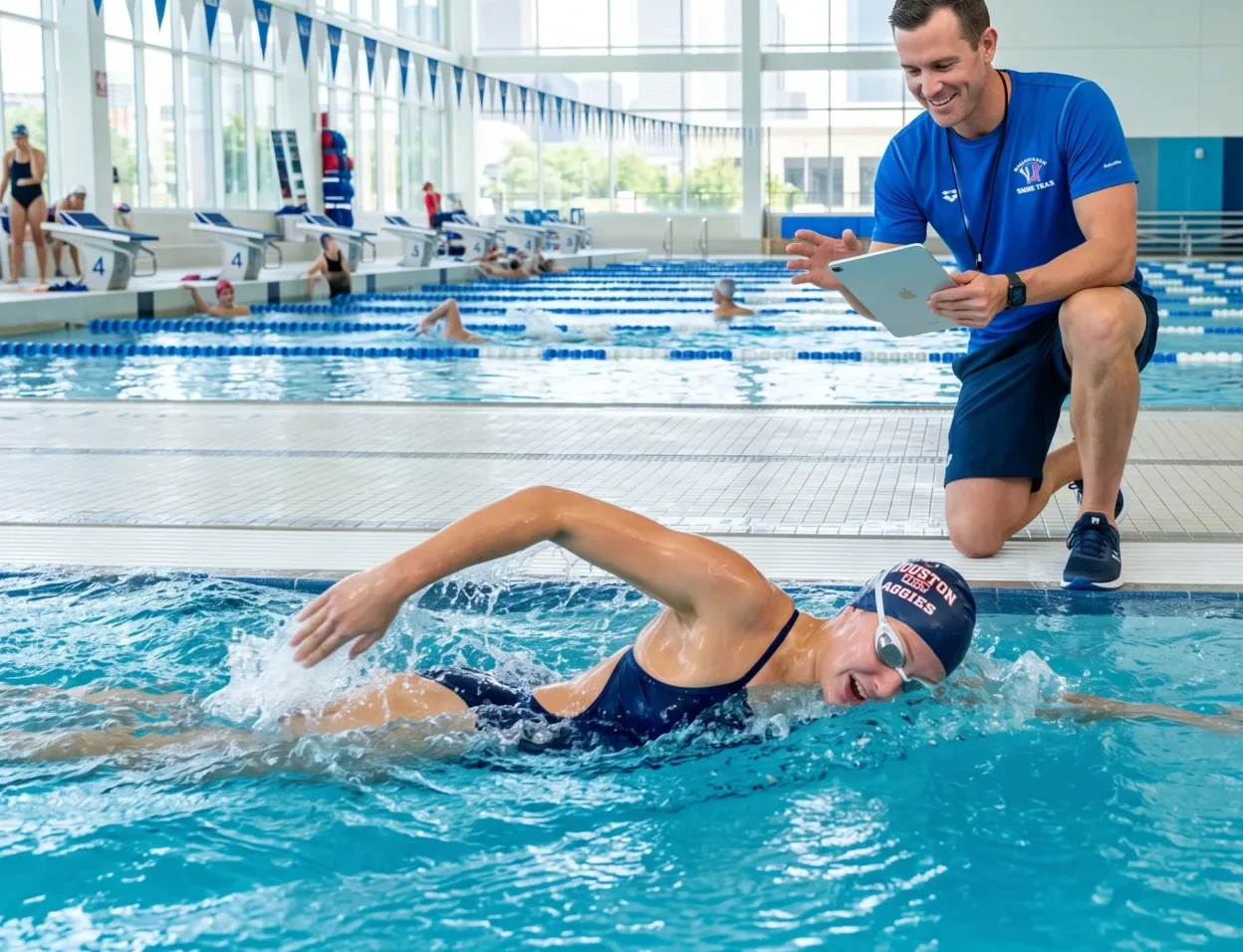
Swimming (2 sessions): Technique trumps distance every time. Swimming is the most technique-dependent of the three disciplines. A quality swim workout can be as brief as 20-40 minutes for sprint-distance triathletes.
Cycling (2 sessions): Since the bike leg comprises the longest portion of your triathlon, endurance here becomes crucial. Include one mid-week interval session (30-60 minutes) to build power and one weekend endurance ride to build stamina. For sprint-distance races, your long ride might peak at around 60-75 minutes.
Running (2 sessions): Include one quality session (intervals, tempo, or hills) and one longer endurance run at comfortable pace. Running creates more impact stress than swimming or cycling. Increase mileage gradually to prevent injury.
Rest: Include at least one full rest day per week. Remember this: improvement happens during recovery, not during training itself.
What is a brick workout and why it matters
A brick workout involves training in two disciplines back-to-back with minimal rest between them—typically cycling immediately followed by running. The term comes from the heavy, “brick-like” feeling in your legs when you first start running after cycling.
Brick workouts are essential for triathletes for three key reasons:
- They train your body to transition efficiently between sports
- They acclimatize your muscles to the unique sensation of running after cycling
- They provide race-day simulation for pacing and nutrition strategies
Start incorporating weekly brick workouts during the final 8 weeks before your race. Most often these should be bike-to-run sessions, though occasionally including swim-to-bike transitions can be beneficial.
How long to train before your first race
Training duration depends on your starting fitness and race distance:
Sprint distance: An 8-12 week program works for most beginners. This typically involves 4-5 hours of weekly training.
Olympic distance: A 16-week plan works well, with approximately 6-7.5 hours of weekly training. The program generally includes 2-3 swims, 2-3 bike rides, and 2-3 runs per week.
Most triathlon training plans follow a progressive structure with distinct phases:
- Base phase (first 6 weeks): Build aerobic capacity and endurance
- Build phase (next 5 weeks): Continue endurance work while adding higher-intensity sessions
- Peak phase (final 5 weeks): Race-specific workouts, including bricks and race simulations
Include recovery weeks (typically weeks 4, 8, and 12) where training volume temporarily decreases, allowing your body to adapt and strengthen. The final week before your race should be a taper week, reducing volume while maintaining some intensity.
Essential Gear You Actually Need
Have you ever walked into a triathlon expo and felt your wallet quiver in fear? Don’t worry – you’re not alone.
The gear aspect of triathlon intimidates newcomers more than it should. Many aspiring triathletes worry about having the “right” equipment, yet here’s what surveys reveal: 88% of beginners initially stress about gear quality, but most discover their concerns were unfounded after completing their first race.
The truth? Effective triathlon training doesn’t require emptying your bank account.
Swim gear basics
Swimming keeps things refreshingly simple. You need exactly two items to start training:
Well-fitting goggles – Anti-fog options with UV protection work best for outdoor swimming. Here’s the fit test: press goggles against your eyes without the strap. If they stay put from suction alone, you’ve found your match.
Swim cap – Many races provide these, but grab one for training. Silicone caps beat latex versions for comfort every time.
Open-water swimming changes the game slightly. A wetsuit becomes valuable in cooler conditions, doing far more than keeping you warm. Wetsuits increase buoyancy and reduce drag, making your swimming more efficient. Triathlon-specific wetsuits differ from surfing versions through lighter materials and better shoulder mobility.
Bike options for beginners
Here’s something that might shock you: beginners don’t need expensive bicycles.
Any functional bike works for your first triathlon. Your options include your existing mountain bike or hybrid, a borrowed road bike to test the waters, or a basic road bike if you’re ready to purchase. Focus on comfort and proper fit rather than price tags.
Bike fitting matters more than the bike’s cost. Many triathletes complete several races on basic equipment before deciding whether to upgrade. Remember – every triathlete benefits from owning a road bike, but specialized triathlon bikes aren’t necessary until you advance.
Running shoes and tri-suits
Running Shoes: This is where you should invest immediately. Visit a dedicated running store for gait analysis to find shoes matching your foot type and running style. Proper footwear prevents injuries – something far more valuable than speed gains from expensive gear. Regular running shoes work perfectly for shorter triathlons.
Tri-suits: These specialized garments represent your most triathlon-specific investment. They work across all three disciplines, eliminating clothing changes during transitions. Key features include quick-drying technical fabric, light chamois padding for cycling comfort, seamless construction to minimize chafing, and storage pockets for nutrition.
Tri-suits come in one-piece or two-piece designs. Two-piece versions offer more versatility and easier bathroom access. Quality entry-level options start around $125, though premium suits can exceed $300. Women should seek female-specific designs rather than smaller men’s versions – they’re engineered differently for better comfort.
Optional gear vs. must-haves
Absolute essentials:
- Swim: Goggles and swimwear
- Bike: Any functional bicycle plus a safety-standard helmet
- Run: Properly fitted running shoes
- Transitions: Race number belt for your bib
Worth considering:
- Elastic laces for quick shoe transitions
- Anti-chafing products to prevent skin irritation
- Bike repair kit with spare tube and mini-pump
Skip for now:
- High-end aero helmets (minimal beginner benefits)
- Premium bikes (focus on comfort first)
- Specialized race wheels (expensive with little initial impact)
- Smart trainers (unless training indoors extensively)
Your training matters more than expensive gear. Many beginners feel pressured to invest heavily before their first race, yet most experienced triathletes started with basic equipment. As one coach puts it perfectly: “Don’t worry about feeling fast just yet – that’ll come later.”
Fueling Your Body for Training and Race Day
Proper nutrition can make or break your triathlon performance. What and when you eat impacts every stroke, pedal, and stride during training and racing.
What to eat before and after workouts
Timing matters when planning meals around workouts. For morning sessions, consume a small carbohydrate-rich snack 30-60 minutes beforehand—toast with jam or a banana works perfectly. Longer workouts require more substantial fueling: eat 1-3 hours prior with 200-300 grams of carbohydrates.
Each discipline demands different pre-workout nutrition strategies:
- Swimming: Cherry juice with egg whites or yogurt with fruit 45-60 minutes before
- Cycling: Banana with nut butter or a breakfast smoothie 60 minutes prior
- Running: Avocado toast 30-60 minutes before or sweet potato 90 minutes ahead
Post-workout refueling kickstarts your recovery process. Consume 20-30 grams of protein within 20-30 minutes after finishing to reduce cortisol and replenish glycogen stores. Pair proteins with carbohydrates—eggs, yogurt, or protein shakes combined with sweet potatoes or fruit create ideal recovery nutrition.
Hydration tips for triathletes
A mere 2% drop in hydration levels can increase fatigue and reduce performance. Monitor three key hydration indicators during training:
- Frequency: Regular bathroom visits throughout the day
- Color: Aim for pale yellow to straw-colored urine
- Volume: Track weight before and after workouts
Race hydration requirements increase substantially for events over 90 minutes. Cool conditions typically require up to 500ml per hour. This jumps to 750ml in warmer weather and up to 1 liter during hot, humid conditions.
Testing nutrition during training
Never experiment with new foods or drinks on race day. Practice your nutrition strategy regularly during training for two critical reasons: fine-tuning your plan and training your gut to accept food while exercising.
Set nutrition timers on your watch or bike computer as eating reminders. Target 30-60 grams of carbs per hour during longer sessions. The bike portion offers perfect race-day fueling practice since consuming food while cycling proves easier than running.
Tastebud fatigue becomes real during longer events. Train with different products and flavors you can rotate when your usual favorites start tasting unpalatable.
Mastering Transitions and Race Day Logistics
Transitions represent the unsung “fourth discipline” of triathlon. Minutes slip away here while you fumble with gear or search for your bike among hundreds of others.
Smart preparation turns chaos into smooth execution.
How to set up your transition area
Arrive early to secure an advantageous spot, ideally on the end of a rack close to bike in/out. Mental landmarks become your lifeline when you’re racing against the clock and your brain is focused on the next discipline. Use a brightly colored towel to make your spot stand out among hundreds of similar setups.
Organization wins races in transition areas. Position your helmet on your bike’s handlebars with sunglasses inside, ready to grab. Place running shoes behind your bike shoes with race belt underneath. Every piece of equipment should sit in the exact order you’ll use it.
Walk through each transition step by step during setup. Visualize grabbing your helmet first, then sunglasses, then running to the bike mount line. This mental rehearsal pays dividends when race-day adrenaline kicks in.
Practicing transitions in training
Walk the swim-to-bike and bike-to-run routes multiple times prior to race day. These paths become second nature when you’ve practiced them repeatedly. Quick wetsuit removal takes practice—applying Vaseline to ankles beforehand makes this substantially easier.
Master the art of running alongside your bike while holding the saddle. This skill separates smooth transitions from awkward stumbles.
Remember the critical rule: fasten your helmet before touching your bike. Practice bike racking and the reverse order for T2, where you must rack your bike before removing your helmet. Rules violations here result in time penalties that can ruin your race.
What to expect on race morning
Plan to arrive 60-90 minutes before start time. Race morning moves fast, and you’ll need every minute for preparation. Complete registration, collect your timing chip (worn on left ankle), race number, and swim cap.
Your warm-up routine sets the tone for everything that follows. Perform a 10-15 minute running warm-up approximately 45 minutes before start. Once your wetsuit is on, hop in water for a swim warm-up 15-20 minutes before your wave begins.
Race morning nerves are normal. Focus on the preparation you’ve done and trust your training.
Your Triathlon Journey Starts Now
That scared beginner who worried about drowning, couldn’t imagine biking 12 miles, or felt intimidated by “real” triathletes? That person is ready to become a finisher.
You’ve discovered the truth about triathlon training. Consistency beats intensity every time. Basic gear trumps expensive equipment. Smart preparation eliminates race day panic. Most importantly, you’ve learned that triathlon welcomes everyone – not just the athletes you see on magazine covers.
Your training plan is straightforward. Follow the 2-2-2 weekly structure. Practice those brick workouts. Master your transitions during training sessions. Test your nutrition strategy on longer rides and runs. These fundamentals will carry you to the finish line.
The triathlon community is waiting for you. Fellow athletes understand exactly where you’re starting because they’ve been there too. They’ll cheer for you during your first race just as loudly as they cheer for the winners.
Remember this: your first triathlon is about personal victory, not beating other people. Every stroke in the water, every pedal revolution, and every running step represents progress from where you started. That journey matters more than your final time. As you prepare for your race, focusing on swim techniques for triathlon success can greatly enhance your performance. Practicing proper breathing and efficient strokes will build your confidence in the water, allowing you to maintain a strong pace throughout the event. Remember, mastering these skills takes time, so be patient and celebrate every improvement along the way.
Don’t wait for perfect conditions or ideal fitness. The best time to sign up for your first race is right now. Choose a sprint distance event that excites you. Start your 8-12 week training program. Begin building the habits that will transform you into a triathlete.
Your finish line is calling. Are you ready to answer?
Key Takeaways
Transform from triathlon beginner to race-ready athlete with these essential insights for your first multisport adventure:
• Start small and build confidence: Sprint triathlons require only 4-5 hours of weekly training over 8-12 weeks, making them perfectly achievable for beginners. Creating effective training plans for beginner triathletes is essential for success. These plans should focus on gradually increasing the distance and intensity of workouts to prevent injury. With the right guidance, even newcomers can complete their first event with confidence and enjoyment.
• Focus on consistency over intensity: Complete your scheduled workouts rather than chasing specific speeds—consistent training builds both fitness and mental confidence.
• Master brick workouts for race success: Practice bike-to-run transitions weekly in your final 8 weeks to prepare for the unique “heavy legs” sensation.
• Keep gear simple initially: Any functional bike, proper running shoes, and basic swim equipment suffice—expensive gear won’t compensate for inadequate training.
• Practice nutrition and transitions during training: Test all race-day fueling strategies and transition setups beforehand to avoid costly surprises on race morning. In addition to testing your fueling strategies, consider incorporating lactate testing in your home to monitor your body’s response to different intensities. This can provide valuable insights into your training and help you gauge your effort levels as you progress. By understanding your lactate threshold, you can fine-tune your performance for race day.
The triathlon community welcomes athletes of all backgrounds and abilities. Your first race is about personal achievement, not competition with others. With structured training and smart preparation, crossing that finish line becomes an attainable goal rather than an impossible dream.
FAQs
Q1. How long does it take to train for a beginner’s triathlon? Most beginners can prepare for a sprint triathlon in 8-12 weeks with 4-5 hours of training per week. The exact duration depends on your starting fitness level and the race distance you choose.
Q2. What essential gear do I need for my first triathlon? For swimming, you need goggles and a swimsuit. Any functional bike and a helmet are sufficient for cycling. For running, invest in properly fitted running shoes. A race number belt is also necessary. Additional items like a tri-suit can be helpful but aren’t mandatory for beginners.
Q3. How should I structure my weekly triathlon training? A balanced approach for beginners typically includes two swims, two bike rides, and two runs per week. This “2-2-2” pattern ensures you develop specific fitness for each discipline without overtraining. Include at least one full rest day per week for recovery.
Q4. What is a brick workout and why is it important? A brick workout involves training in two disciplines back-to-back, typically cycling followed immediately by running. These sessions are crucial because they help your body adapt to the unique sensation of transitioning between sports and simulate race-day conditions.
Q5. How do I fuel my body for triathlon training and racing? Consume a carbohydrate-rich snack 30-60 minutes before workouts. After training, eat 20-30 grams of protein within 30 minutes to aid recovery. During longer sessions and races, aim for 30-60 grams of carbs per hour. Always practice your nutrition strategy during training to avoid