Improve Swimming Efficiency with SWOLF: A Complete Guide for Triathletes
May 15, 2026
Weather’s Impact on Ironman Race Performance
May 17, 2026
From backyard splashes to the lava fields: a guide to triathlon distances
There is a specific kind of quiet that exists only at five in the morning on a race day. It is a mixture of nervous energy, the smell of neoprene, and the soft hum of bike pumps working in unison in a transition area. Whether you are standing on a beach in Hawaii or next to a community pool in the suburbs, that feeling remains the same. You are about to embark on a journey that tests your limits across three distinct disciplines.
For those standing on the outside looking in, the world of multisport can seem like a monolith of extreme endurance. However, the reality is much more nuanced and accessible than the highlight reels suggest. Understanding the landscape of the sport begins with a simple question: what are the different triathlon distances? From twenty-minute sprints to seventeen-hour odysseys, there is a path for every athlete, regardless of their starting point.
The beauty of this sport lies in its versatility. It isn’t just about survival; it’s about the unique challenges each distance presents to the human body and mind. One day you might be focusing on explosive power in a short race, and the next year you might find yourself training for a test of sheer willpower over a hundred miles. Each distance requires a different approach to training, fueling, and mental preparation.
The humble beginnings of multisport racing
Before we dive into the specific yardage and mileage of modern events, it helps to understand how we got here. Triathlon didn’t start as a commercial juggernaut with expensive carbon fiber bikes. It began as a way for a group of friends in San Diego during the 1970s to mix up their workout routines. The first recorded event at Mission Bay was a scrappy affair that didn’t even follow the swim-bike-run order we use today.
The sport evolved rapidly as people realized that combining these three activities offered a level of cross-training that was previously untapped. It wasn’t long before the idea of “The Ironman” was born in Hawaii as a way to settle a debate about who were the fittest athletes: swimmers, cyclists, or runners. Since that legendary bet, the variety of triathlon races has expanded to include options for every age and ability level.
Today, the sport is governed by international bodies that have standardized the courses to ensure fair competition. This standardization allows athletes to track their personal bests and compare their progress across different venues. While the terrain might change—from hilly mountain roads to flat coastal highways—the core distances remain relatively consistent across the globe.
The super sprint: a gateway to the sport
The super sprint is the perfect entry point for anyone who feels intimidated by the prospect of a long-distance swim or a marathon. These races are often held in local parks or recreation centers, sometimes using a swimming pool instead of open water. This removes one of the biggest hurdles for beginners: the fear of navigating waves and murky depths with hundreds of other people.
In a super sprint, the distances are manageable for almost anyone with a basic level of fitness. You might find yourself swimming 400 meters, biking 10 kilometers, and running 2.5 kilometers. It is a fast, punchy experience that teaches you the fundamentals of transition—moving from the water to the bike and the bike to your feet—without the crushing fatigue of longer events.
I remember my first attempt at a short race like this. I used an old mountain bike and wore a pair of baggy running shorts over my swimsuit. I didn’t have the fancy gear, but the sense of accomplishment when I crossed that finish line was just as potent as any long-distance finisher’s high. It’s a great way to test the waters and see if the multisport lifestyle resonates with you.
Typical super sprint breakdown
| Segment | Average Distance |
|---|---|
| Swim | 400 meters (0.25 miles) |
| Bike | 10 kilometers (6.2 miles) |
| Run | 2.5 kilometers (1.5 miles) |
Because the distances are so short, the intensity is often quite high. Athletes who specialize in this distance are usually working at or near their aerobic threshold for the entire duration. It is a fantastic way to build cardiovascular health and learn how to manage your pacing under pressure.
The sprint triathlon: the athlete’s bread and butter
When most people talk about getting into the sport, they are usually referring to a sprint triathlon. This is perhaps the most popular of all triathlon distances because it offers a significant challenge without requiring twenty hours of training every week. It typically consists of a 750-meter swim, a 20-kilometer bike ride, and a 5-kilometer run.
A sprint is long enough to feel like a “real” race but short enough that you can recover in a day or two. This allows athletes to compete several times throughout a single summer season. It’s the sweet spot where hobbyists and serious competitors often rub shoulders, all aiming for their own specific goals.
In a sprint, every second counts. Because the total time is usually between one and two hours, a slow transition can cost you several spots in the rankings. You learn the “flying mount” on the bike and how to use elastic laces in your shoes to shave off precious seconds. It’s a discipline of efficiency and speed.
Many experienced athletes return to the sprint distance even after completing much longer races. There is something uniquely grueling about pushing your heart rate to the limit for sixty minutes. It tests your “engine” in a way that the long, slow slog of an ultra-endurance event simply cannot.
The Olympic distance: the gold standard
The Olympic distance, also known as the “Standard” or “International” distance, is where the sport truly matured. As the name suggests, this is the format used in the Summer Olympics since its debut in Sydney in 2000. It doubles most of the metrics of a sprint: a 1.5-kilometer swim, a 40-kilometer bike, and a 10-kilometer run.
This distance requires a shift in mindset. You can no longer simply “wing it” on your nutrition or hydration. At this level, you need a plan for taking in electrolytes and calories, especially during the bike portion, to ensure you have enough left in the tank for the 10k run. It’s a true test of balanced athleticism across all three sports.
For many, the 10-kilometer run at the end is the “real” race. After the swim and the bike, your legs often feel like heavy blocks of wood—a sensation triathletes affectionately call “brick legs.” Learning to run efficiently after 40 kilometers of hard cycling is a hallmark of a seasoned Olympic-distance athlete.
Training for an Olympic race usually involves a bit more structure. You’ll need to spend more time in the saddle and ensure your swimming technique is efficient enough to cover a mile without being completely gassed. It is the bridge between the world of short-course racing and the realm of long-course endurance.
Standard Olympic distances
-
- Swim: 1.5 kilometers (0.93 miles)
- Bike: 40 kilometers (24.8 miles)
Run: 10 kilometers (6.2 miles)
Professional Olympic racing is often “draft-legal,” meaning cyclists can ride in groups to save energy. However, for the vast majority of age-groupers (amateurs), these are non-drafting events. This means you are out there against the wind, relying entirely on your own power to get the job done.
The half-ironman: entering the world of 70.3
The jump from an Olympic distance to a half-ironman—officially known as an Ironman 70.3—is a significant milestone. The “70.3” refers to the total mileage of the race: a 1.2-mile swim, a 56-mile bike, and a 13.1-mile run. It is exactly half the distance of the full-length event, but don’t let the “half” label fool you; it is a brutal undertaking.
At this distance, the race becomes as much about logistics and fueling as it does about physical fitness. You are looking at a finishing time anywhere from four to eight hours. You cannot survive that long on just water and grit. You have to train your gut to process carbohydrates while your heart rate is elevated.
The 70.3 distance has exploded in popularity over the last decade. It offers the “epic” feel of a long-distance race without the soul-crushing recovery time required by the full 140.6-mile version. It is often seen as the ultimate goal for the dedicated amateur who has a full-time job and a family.
Completing a 70.3 requires a high level of mental fortitude. There will inevitably be a “dark place” somewhere around mile eight of the run where your body screams at you to stop. Overcoming that internal monologue is one of the most rewarding aspects of the sport. It changes how you view challenges in your everyday life.
The ironman: the ultimate endurance test
For many, the word “triathlon” is synonymous with the ironman. This is the 140.6-mile beast that consists of a 2.4-mile swim, a 112-mile bike, and a full 26.2-mile marathon to finish. It is a race that has defined the limits of human endurance for decades, famously culminating in the World Championship on the Big Island of Hawaii.
Training for this is not just a hobby; it is a lifestyle. For six months or more, your weekends are dominated by six-hour bike rides followed by hour-long runs. You learn to embrace the monotony and find peace in the rhythm of your breath and the spinning of your pedals. It is a transformative process that reshapes your identity.
On race day, the atmosphere is electric but solemn. There is a deep respect among the competitors because everyone knows the toll the training has taken. The swim is long and often turbulent, the bike is a grueling test of pacing and aerodynamics, and the run is a marathon of the mind more than the legs.
Hearing the announcer say, “You are an Ironman,” as you cross the finish line is a bucket-list moment for thousands of people every year. It is a testament to what the human spirit can achieve when it refuses to quit. While the physical toll is high, the emotional and mental payoff is often life-altering.
Beyond the standard: ultra-triathlons and extreme challenges
As if the 140.6-mile distance wasn’t enough, there is a subculture of athletes who push the boundaries even further. Ultra-triathlons can involve double, triple, or even deca-Ironmans (ten times the distance). These races are often held over several days, with athletes sleeping for only a few hours at a time.
There are also “extreme” triathlons like the Norseman in Norway or the Patagonman in Chile. These aren’t necessarily longer in distance, but they are significantly harder due to the environment. Think of swimming in glacial water, biking up mountain passes in freezing rain, and finishing with a run up a technical trail to a mountain peak.
These events move away from the “corporate” feel of modern triathlon races and return to the rugged roots of the sport. They require support crews—usually friends or family—who follow the athlete to provide food, clothing, and motivation. It is a team effort to get one person to the finish line of an extreme course.
While these are not for everyone, they represent the “frontier” of the sport. They attract those who have mastered the standard triathlon distances and are looking for something that feels less like a race and more like an expedition. It is about exploring the very edges of what is biologically possible.
The nuances of different triathlon formats
Beyond the mileage, there are various formats that change the flavor of the competition. For example, some races are held off-road. These “XTERRA” style events replace the road bike with a mountain bike and the paved run with a trail run. If you enjoy being in nature and don’t mind getting a little muddy, this might be your calling.
Then there are relay options. Almost every race, from the sprint triathlon to the full distance, allows for relay teams. This is a great way to participate if you are a strong swimmer but terrified of cycling, or if you love running but can’t swim a stroke. It fosters a sense of community and allows friends of different skill sets to compete together.
We also see “aquabike” events, which are increasingly popular for those with joint issues that prevent them from running. In an aquabike, you complete the swim and the bike segments and your time stops once you enter the second transition. It’s a wonderful way to stay involved in the multisport community without the high-impact stress of a marathon.
Lastly, winter triathlons replace the swim with cross-country skiing. These are popular in colder climates and offer a completely different physical challenge. The variety within the sport ensures that there is always a new way to test yourself, no matter the season or your physical limitations.
Choosing the right distance for your lifestyle
Selecting which of the triathlon distances to tackle depends heavily on your current fitness and, perhaps more importantly, your available time. A sprint triathlon can be trained for in four to six hours a week. That is manageable for most people with a standard work-life balance.
However, once you move into the Olympic and 70.3 territories, the time commitment scales up significantly. You have to consider the “hidden” time of triathlon: driving to the pool, cleaning your bike, stretching, and the inevitable naps required after a long workout. It is a commitment that often requires the support and understanding of those you live with.
My advice to newcomers is always the same: start small and build a foundation. Jumping straight into a long-distance race without a background in endurance sports is a recipe for injury or burnout. There is a specific joy in the “speed” of a shorter race that you should experience before moving into the “endurance” mindset of the longer events.
Think about your strengths and weaknesses. If you come from a swimming background, you might find the longer swims of an Olympic or 70.3 less daunting. If you are a marathon runner, the run at the end of a sprint might feel like a warm-up. Tailor your first few race choices to your strengths to build confidence.
Weekly training hour estimates by distance
| Race Distance | Beginner Hours | Intermediate Hours |
|---|---|---|
| Sprint | 3–5 hours | 6–8 hours |
| Olympic | 6–8 hours | 10–12 hours |
| Ironman 70.3 | 8–10 hours | 12–15 hours |
| Ironman | 12–15 hours | 18–25+ hours |
The essential gear for every distance
One of the biggest misconceptions about the sport is that you need to spend ten thousand dollars on gear to get started. While the “gear itch” is real, it is not a requirement for entry. For a sprint or Olympic race, a basic road bike, a comfortable pair of running shoes, and a swimsuit are all you really need.
As the distances increase, specialized gear becomes more beneficial. For a 112-mile bike ride, a dedicated triathlon bike with aerodynamic bars can save you significant time and energy. A high-quality wetsuit not only keeps you warm in open water but also provides buoyancy, which helps your swimming technique and speed.
Nutrition storage becomes a factor too. On a long-distance race, you need “bento boxes” on your bike frame to hold gels and salt tablets. You need specialized water bottle cages that are easy to reach while you stay in an aerodynamic tuck. These small details don’t matter much in a thirty-minute bike ride, but they are vital over five or six hours.
Don’t overlook the importance of the “tri-suit.” This is a one-piece or two-piece outfit designed to be worn for all three legs of the race. It has a thin pad (called a chamois) for the bike that is small enough not to bother you during the run. It dries quickly and eliminates the need for awkward wardrobe changes in the transition area.
Nutrition: the fourth discipline
In the world of triathlon races, nutrition is often cited as the fourth discipline. You can be the fittest athlete on the course, but if you don’t manage your fuel, you will eventually “bonk.” This is when your body runs out of glycogen and your brain essentially tries to shut down your muscles to preserve energy.
For shorter races, you can usually rely on the breakfast you ate that morning and maybe a single gel on the bike. Your body has enough stored energy to get through sixty to ninety minutes of exercise. The main focus here is simply staying hydrated, especially if the weather is hot and humid.
Once you cross the three-hour mark, everything changes. You need to consume between 30 and 90 grams of carbohydrates per hour, depending on your size and intensity. This requires practice during training. You have to find out which brands of gels, chews, or liquid nutrition your stomach can handle while under stress.
Salt and electrolytes are equally important. You lose sodium through sweat, and if you only drink plain water, you risk a dangerous condition called hyponatremia. Learning your “sweat rate” and how much salt you need to replace is a scientific part of the sport that separates the finishers from those who end up in the medical tent.
The psychological shift across distances
The mental game of a sprint is about managing discomfort. It’s about pushing through the “burning” sensation in your lungs and legs. It is a high-octane, adrenaline-fueled experience where you are constantly checking your watch and chasing the person in front of you. It is intense and immediate.
Conversely, the mental game of an ironman is about managing boredom and despair. There are long stretches of the bike ride where you are alone with your thoughts for hours. You have to learn how to stay present and not get overwhelmed by the fact that you still have ten hours of racing left. It requires a type of Zen-like patience.
In the middle distances, like the Olympic or 70.3, the challenge is focus. You have to stay focused on your pacing so you don’t go too hard too early. It’s easy to get caught up in the excitement of the bike and “over-cook” your legs, leaving you unable to run the half-marathon at the end. It is a calculated, strategic effort.
Regardless of the distance, every triathlete experiences the “why am I doing this?” moment. It usually happens when the fatigue sets in and the finish line still feels miles away. Developing mental cues—like focusing on your form or a specific mantra—is essential for getting through those tough patches.
Training philosophy for multisport success
Training for three sports is a balancing act. You cannot simply train like a pure swimmer, a pure cyclist, and a pure runner all at once. If you did, you would be training forty hours a week and would likely end up injured within a month. The key is “periodization” and focusing on your weakest link.
Most athletes have a “favorite” discipline and one they dread. If you are a natural runner but struggle in the water, your training block should be heavily weighted toward swim technique and endurance. The goal is to get through the swim as efficiently as possible so you can use your running strength to finish strong.
Rest and recovery are just as important as the workouts themselves. This is where the actual physiological gains happen. Your muscles need time to repair the micro-tears caused by training. This is why most plans include a “taper” period—a week or two of reduced volume before the race to ensure you arrive at the start line fresh and ready.
Consistency trumps intensity every time. It is better to do three short, easy runs a week than to do one massive, grueling run and then be unable to move for five days. Building a sustainable routine is the secret to longevity in the sport. The goal isn’t just to finish one race; it’s to make movement a permanent part of your life.
The social aspect of the triathlon community
While the race itself is an individual effort, the culture surrounding the sport is incredibly social. Most cities have triathlon clubs where athletes of all levels meet for group rides, track sessions, and open-water swims. These groups provide the accountability and camaraderie that make the long training hours enjoyable.
There is a unique bond formed when you are out on a four-hour bike ride with a group of friends. You talk about everything from gear and nutrition to life and work. Some of my closest friendships were forged on the road, huffing and puffing up hills together. It turns a solitary pursuit into a shared adventure.
The volunteers at these races are also a huge part of the experience. There is nothing quite like a stranger screaming your name and handing you a cup of ice water when you are at your lowest point. The energy of the crowd and the support of the community can carry you through miles that you didn’t think you had in you.
Whether you are at a local 5k or a world-class event, the multisport community is generally welcoming. You’ll see elite professionals cheering for the final finishers who are crossing the line just before the midnight cutoff. In this sport, everyone who finishes is respected for the effort they put in, regardless of their time.
The impact of technology on the sport
In recent years, technology has changed how we train and race. Smartwatches can now track everything from your heart rate and sleep quality to your “swimming efficiency” (SWOLF) score. Power meters on bikes allow athletes to measure their exact output in watts, ensuring they don’t exceed their limits during a long race.
Virtual training platforms like Zwift have revolutionized winter training. Instead of staring at a wall while riding a stationary bike, you can now “ride” through virtual worlds with thousands of other people across the globe. This has made the once-dreaded indoor trainer sessions a highlight for many athletes.
Even apparel has seen massive leaps. “Super shoes” with carbon plates and specialized foam are now common on the run leg, promising improved economy and faster times. While some purists argue that the gear is becoming too dominant, there is no denying that it has made the sport faster and, in some ways, more exciting to watch.
However, it is important to remember that technology is just a tool. At the end of the day, it still comes down to the athlete’s heart, lungs, and legs. No amount of carbon fiber can replace the work you put in during those early morning swims or the grit required to finish a marathon in the heat.
Environmental and seasonal considerations
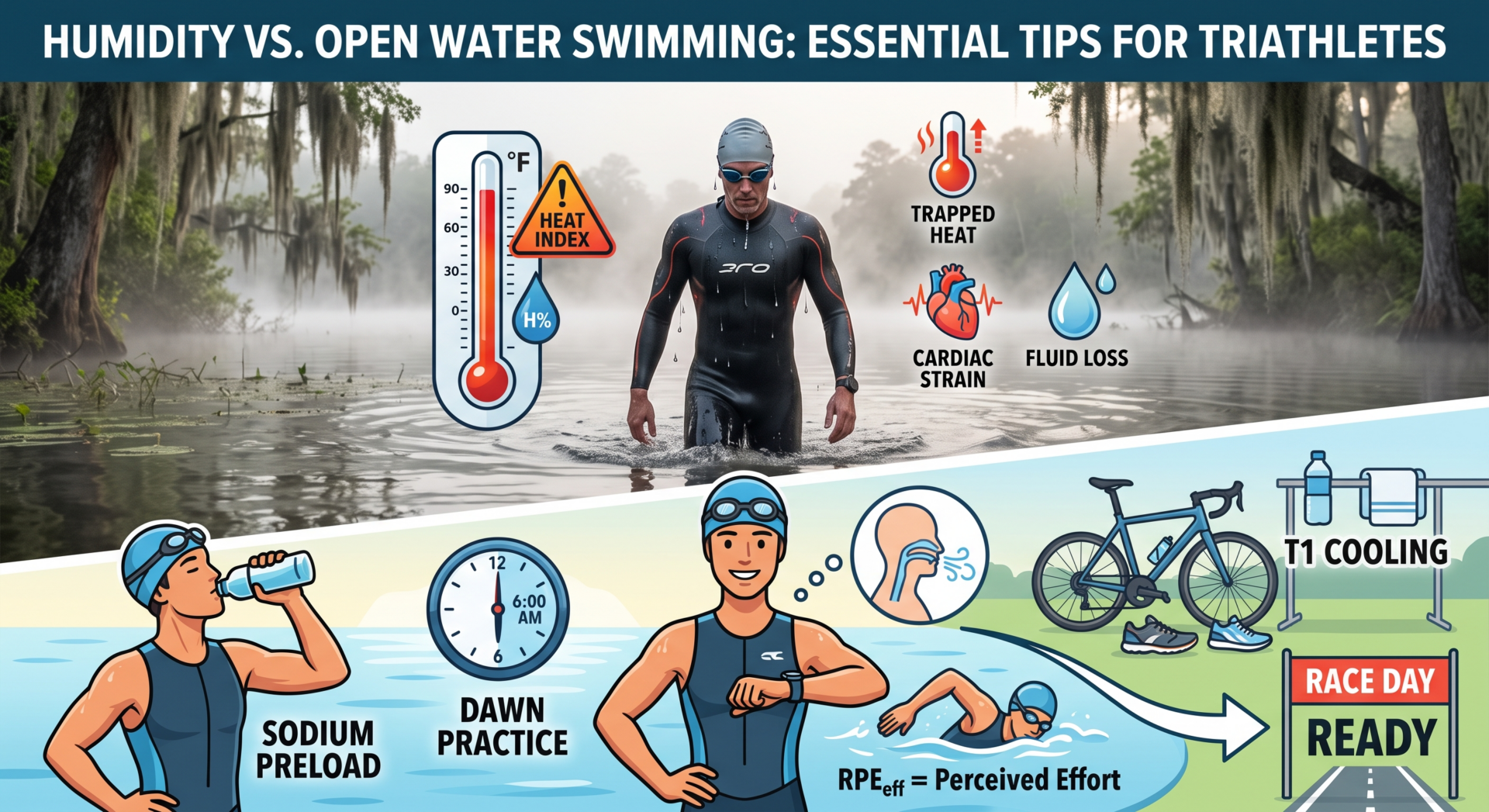
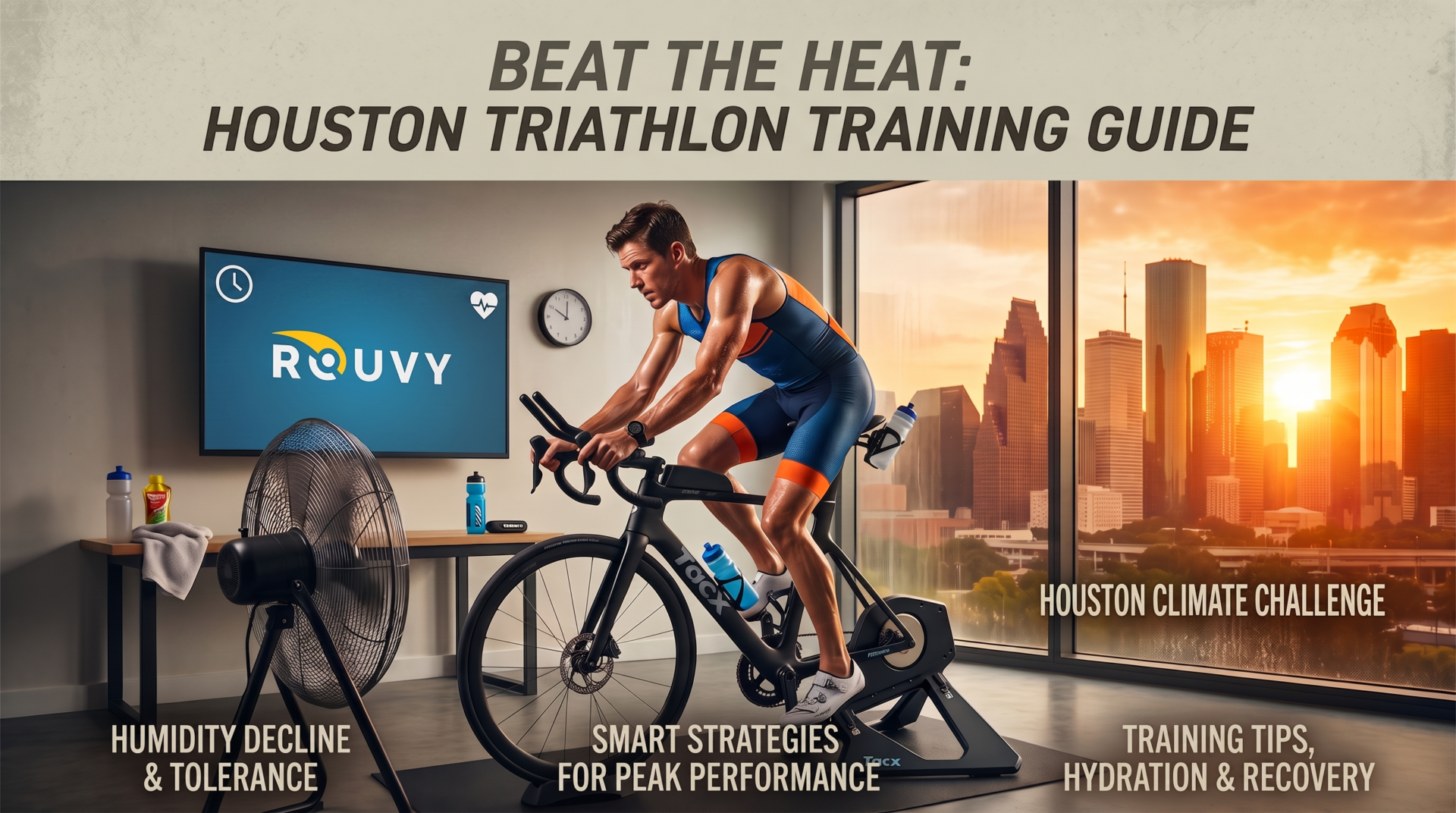
The time of year and the location of a race can drastically change the experience, even if the distance is the same. A sprint triathlon in the humid Florida summer is a completely different beast than one in the crisp air of the Colorado mountains. You have to adapt your training and your gear to the environment you will be racing in.
Altitude, humidity, and water temperature are all variables that can affect your performance. If you are racing in a cold lake, you need to practice swimming in your wetsuit to get used to the restrictive feeling. If you are racing in the heat, you need to “heat acclimate” by doing some of your workouts in warmer conditions to help your body learn to cool itself.
The “race season” typically runs from late spring to early autumn in the Northern Hemisphere. This allows for a structured year: a “base” phase in the winter where you build slow endurance, a “build” phase in the spring where you add speed, and a “peak” phase during the summer months when you are racing.
Some people choose to travel for their races, turning a triathlon into a “race-cation.” This is a popular way to see the world, from the rolling hills of France to the coastal roads of Australia. Every course has its own personality, and part of the fun is experiencing the unique challenges and beauty of different landscapes.
The long-term benefits of multisport training
Beyond the medals and the finish-line photos, the real value of the sport is the health and discipline it fosters. Because you are balancing three different activities, the risk of overuse injuries is often lower than in single-sport pursuits. If your knees are sore from running, you can spend more time in the pool.
The cross-training effect creates a very well-rounded type of fitness. You develop upper body strength from swimming, core and leg power from cycling, and cardiovascular endurance from running. It is a holistic approach to health that can be maintained well into your later years; it’s not uncommon to see athletes in their 70s and 80s competing.
There is also a profound mental health benefit. The focus required for training provides a break from the stresses of modern life. There is something meditative about a long swim or a quiet bike ride. It’s a time to disconnect from screens and reconnect with your body and the world around you.
The discipline required to train for any of these distances inevitably spills over into other areas of life. You become better at time management, more resilient in the face of setbacks, and more confident in your ability to handle difficult tasks. The lessons learned on the road are lessons that serve you well in the boardroom or at home.
Whether you choose the fast-paced intensity of a sprint or the epic journey of a full-distance event, the path of a triathlete is one of constant growth. You start by wondering if you can finish, and you end by wondering how much faster you can go. It is a journey that begins with a single swim stroke and ends with a transformation of self.
The beauty of the sport is that the finish line is always there, waiting for you to claim it. No matter your age, your background, or your current fitness level, there is a distance that fits your life and a community ready to welcome you. All you have to do is take that first plunge into the water and see where the road takes you.
As you stand on the brink of your first or your fiftieth race, remember that every athlete out there is fighting their own battle. We are all united by the same goal: to see what we are made of. The different distances are simply different canvases upon which we paint our own stories of perseverance and triumph.